

The check engine light (CEL) in your Ford vehicle can be a source of concern, but it’s not always a sign of an immediate emergency. This warning light can indicate anything from a minor issue to a more serious problem with your engine or emissions system. Understanding the potential causes and taking the right steps can prevent unnecessary stress and help you avoid costly repairs down the line. At Jim Hudson Ford in Lexington, SC, we’re here to guide you through what to do when the check engine light comes on and how to address it.
What Does the Check Engine Light Mean?
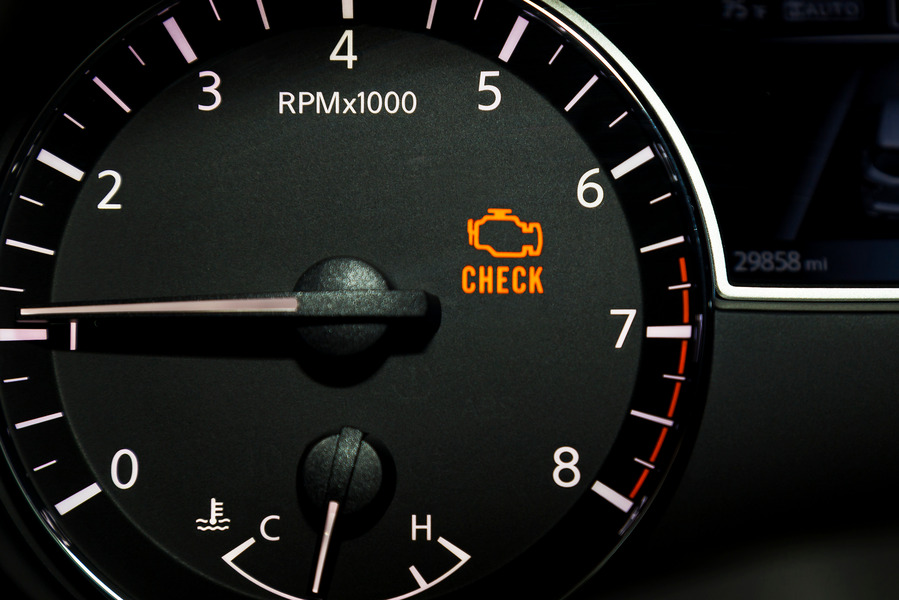
The check engine light is part of your vehicle’s onboard diagnostics system. It can illuminate for a variety of reasons, including issues related to your engine, exhaust, transmission, or other vital components of your vehicle. While it’s essential to take the light seriously, it’s not always a cause for immediate alarm.
There are two common reasons why the check engine light may come on:
- Flashing Check Engine Light: A flashing light typically indicates a more severe problem, such as a misfire or an issue with your engine’s emissions system. If the check engine light is flashing, it’s important to pull over safely and get your vehicle checked by a professional as soon as possible to prevent further damage.
- Solid Check Engine Light: A solid, non-flashing light typically indicates a less urgent issue, such as a loose gas cap, faulty oxygen sensor, or worn spark plugs. However, it still requires attention and diagnostic testing to prevent the issue from worsening.
Understanding these distinctions can help you decide when it’s okay to continue driving and when it’s time to seek professional help.
Common Causes of “Check Engine” in Your Ford
Several common issues can trigger the check engine light in your Ford vehicle. While not all of them are urgent, it’s essential to have the issue diagnosed as soon as possible to avoid further complications.
1. Loose or Damaged Gas Cap
One of the most common and simple causes of a check engine light is a loose or damaged gas cap. If the gas cap isn’t tightly secured or is cracked, it can cause your vehicle to lose pressure in the fuel system, triggering the check engine light.
2. Faulty Oxygen Sensor
The oxygen sensor measures the amount of unburned oxygen in your vehicle’s exhaust system. A faulty sensor can reduce fuel efficiency and increase emissions. If your oxygen sensor is malfunctioning, your Ford will not be able to optimize its fuel economy, and the check engine light may come on.
3. Worn-Out Spark Plugs or Wires
Spark plugs are essential for igniting the fuel in your engine’s cylinders. Over time, spark plugs can wear out, causing misfires and triggering the check engine light. Damaged or worn-out spark plug wires can also lead to performance issues.
4. Faulty Catalytic Converter
The catalytic converter reduces harmful emissions and converts exhaust gases into less harmful substances. If this component is malfunctioning, your engine may not run efficiently, and it can lead to increased emissions. A faulty catalytic converter is a more serious issue and should be addressed as soon as possible.
5. Mass Airflow Sensor Issues
The mass airflow sensor measures the amount of air entering the engine and helps control the fuel injection process. If this sensor fails, it can cause poor engine performance, reduced fuel economy, and trigger the check engine light.
6. Exhaust Gas Recirculation (EGR) Valve Problems
The EGR valve helps reduce emissions by recirculating some of the exhaust gases back into the engine. If the EGR valve malfunctions, it can cause performance issues and may cause the check engine light to appear.
7. Transmission Problems
The check engine light may also be triggered by issues with the transmission. This can include problems with the fluid level or a more severe mechanical issue. Transmission-related issues are typically more serious and should be diagnosed by a professional technician.
What Should You Do When the Check Engine Light Comes On?
When your check engine light turns on, it’s important to act quickly and appropriately. Here’s what you should do:
1. Check for Simple Issues
Before heading to the service center, check for easy-to-fix issues like a loose gas cap. Tighten the cap and see if the light goes off after a few engine cycles. If the light remains on, it’s time to get your vehicle checked.
2. Avoid Ignoring the Light
While a solid CEL may not indicate an immediate emergency, it’s still essential not to ignore it. Small issues can quickly become big problems, leading to costly repairs if left unaddressed. Even if the vehicle seems to be running fine, it’s best to get the issue diagnosed.
3. Schedule a Diagnostic Test
At Jim Hudson Ford, we have advanced diagnostic tools that allow us to read the trouble codes from your vehicle’s onboard diagnostics system. These codes will pinpoint the issue, helping us quickly identify the problem and recommend the best course of action. Scheduling a diagnostic test at the first sign of a CEL can save you time and money by identifying the issue early.
4. Keep Driving, but Be Cautious
If your CEL is steady (not flashing) and your vehicle seems to be running normally, you may be able to continue driving for a short period. However, be cautious and monitor your vehicle’s performance closely. Avoid heavy acceleration or high-speed driving until the issue is diagnosed.
5. Stop Driving if the Light Is Flashing
If the CEL is flashing, stop driving immediately. A flashing light is often an indication of a serious problem, such as an engine misfire, that could cause further damage to your vehicle’s engine or exhaust system. Pull over safely and have your vehicle towed to the service center for repairs.
Why Choose Jim Hudson Ford for Your CEL Diagnostics?
At Jim Hudson Ford in Lexington, SC, our service center is equipped with the latest diagnostic tools to identify and resolve any issues that may trigger your CEL. Our factory-trained technicians are experts in Ford vehicles and can quickly determine the cause of the warning light and recommend the best repair options.
When you bring your Ford vehicle to us, you can expect:
- Quick and Accurate Diagnostics: We use state-of-the-art tools to read your vehicle’s diagnostic codes and pinpoint the cause of the CEL.
- Experienced Technicians: Our technicians have extensive knowledge of Ford vehicles, ensuring that we can provide the most accurate and efficient repairs.
- Reliable Repairs: We only use high-quality parts and follow manufacturer guidelines to ensure that your vehicle is repaired correctly and safely.
- Comprehensive Service: In addition to diagnostics, we offer full-service maintenance and repair to keep your Ford running smoothly and efficiently.
Keep Your Ford Running Smoothly
The check engine light can be a sign of something as simple as a loose gas cap or something more serious like engine or transmission problems. It’s important to address the issue promptly to prevent further complications. At Jim Hudson Ford, we’re here to help you keep your Ford running at its best, with reliable diagnostics and expert repairs to handle any issue that comes your way.
Connect with us


- July 2026
- June 2026
- May 2026
- April 2026
- March 2026
- February 2026
- January 2026
- December 2025
- November 2025
- October 2025
- September 2025
- August 2025
- July 2025
- June 2025
- March 2025
- February 2025
- January 2025
- December 2024
- November 2024
- October 2024
- September 2024
- August 2024
- July 2024
- June 2024
- May 2024
- April 2024
- March 2024
- February 2024
- January 2024
- December 2023
- November 2023
- October 2023
- September 2023
Archives
- 2023 Ford
- 2024 Ford
- 2025 Ford
- 2026
- 2026 Bronco
- 2026 Escape
- 2026 Explorer
- 2026 F-150
- 2026 Mustang
- Auto Financing
- Battery Replacement/Repair
- Brake Repair
- Bronco Sport
- Edge
- Escape
- Escape
- Expedition
- Expedition
- Expedition Max
- Explorer
- Explorer
- F-150
- F-150
- F-150 Lightning
- F-250SD
- F-350SD
- FAQs
- Ford Warranty
- Headlights
- Jim Hudson Ford of Lexington
- Jim Hudson Ford Service
- Key FOB
- Lexington Ford Dealer
- Lexington Ford Service
- Lexington Used Cars
- Lexington, SC
- Maverick
- Maverick
- Mustang
- Mustang
- Mustang Mach-E
- Oil Change
- Parts
- Suspension
- Tail Lights
- Tire Replacement
- Towing
- Trims
- Uncategorized
- Wheel Alignment