

The Ford F-150 towing capacity has helped make America’s best-selling truck a trusted choice for drivers who need dependable capability for work, recreation, and everyday hauling. Across multiple model years, the F-150 has continued to evolve with advanced powertrain options, intelligent towing technologies, and configurations designed to help drivers confidently handle a wide range of towing needs.
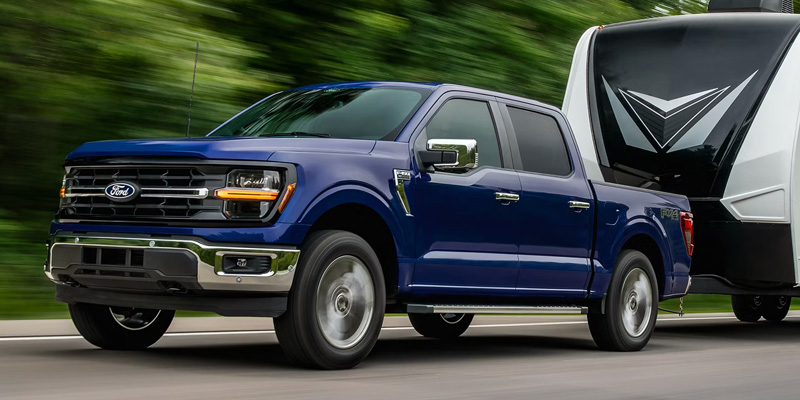
At Jim Hudson Ford in Lexington, SC, we understand that towing requirements vary from driver to driver. Whether you are hauling equipment to a job site, transporting a camper for a weekend adventure, or moving recreational gear, selecting the right F-150 configuration is an important part of finding the right truck.
The Ford F-150 lineup offers a combination of strong engine performance, durable construction, and available towing features that make it one of the most capable full-size pickup trucks available.
Understanding Ford F-150 Towing Capacity
The towing capability of a Ford F-150 depends on several factors, including the engine, drivetrain, cab style, bed length, axle configuration, available towing packages, and overall vehicle configuration. Different F-150 models are engineered to provide different levels of capability, allowing drivers to choose a truck that matches their specific needs.
For recent Ford F-150 models, available engine options have included powerful EcoBoost® engines, hybrid capability through the available PowerBoost™ Full Hybrid V6, and traditional V8 performance. Each powertrain delivers a unique balance of horsepower, torque, efficiency, and towing strength.
When properly equipped, the Ford F-150 provides impressive towing capability while maintaining the everyday versatility that truck owners expect.
Important factors that influence F-150 towing capability include:
- Engine type and available torque output
- Maximum trailer weight ratings
- Proper towing equipment configuration
- Available Max Trailer Tow Package
- Trailer brake controller availability
- Payload capacity
- Vehicle weight and passenger load
- Hitch setup and towing accessories
Understanding these factors helps drivers select an F-150 that is properly equipped for their intended towing needs.
Engine Options Designed for Towing
The Ford F-150 offers several available powertrains designed to provide dependable performance. Each engine option delivers different advantages depending on how the truck will be used.
3.5L EcoBoost® V6 Engine
The available 3.5L EcoBoost® V6 engine has been a popular choice among drivers looking for strong towing performance. Turbocharged power delivery helps provide substantial torque, which is especially useful when accelerating with a loaded trailer or towing on changing terrain.
This engine option is designed for drivers who need a balance of everyday drivability and serious towing capability.
5.0L Ti-VCT V8 Engine
The available 5.0L Ti-VCT V8 engine provides traditional truck performance with strong power delivery and proven capability. Many truck owners choose the V8 option for its responsive performance and dependable strength when hauling and towing.
2.7L EcoBoost® V6 Engine
The available 2.7L EcoBoost® V6 engine provides an efficient option for drivers who need everyday truck capability with the added benefit of turbocharged performance. It is well suited for lighter towing needs while still offering confident acceleration.
3.5L PowerBoost™ Full Hybrid V6 Engine
The available PowerBoost™ Full Hybrid V6 combines electric motor assistance with a gasoline engine to provide strong performance and additional versatility. This option gives F-150 drivers hybrid capability while maintaining the towing functionality expected from a full-size pickup truck.
Available Ford F-150 Towing Features
Modern Ford F-150 trucks include available technologies designed to make towing easier, more convenient, and more controlled. These features help drivers monitor trailer information, improve visibility, and manage towing situations with greater confidence.
Pro Trailer Backup Assist™
Backing up a trailer can be one of the most challenging parts of towing. Available Pro Trailer Backup Assist™ helps simplify the process by allowing drivers to use a control knob to guide trailer direction while the truck manages steering inputs.
This technology is especially helpful when navigating:
- Campground parking areas
- Driveways
- Boat ramps
- Tight job sites
- Storage locations
Trailer Brake Controller
The available integrated trailer brake controller helps drivers manage trailer braking directly from the truck’s cabin. This feature allows for smoother stopping performance when towing properly equipped trailers.
Tow/Haul Mode
The available Tow/Haul mode adjusts transmission operation to help improve control while pulling heavier loads. It helps manage gear changes and can provide improved performance when towing uphill or carrying additional weight.
Trailer Sway Control
Trailer sway control works with the truck’s stability systems to help detect and respond to trailer movement. This technology is designed to support a more controlled towing experience when conditions change.
360-Degree Camera System
Available camera technology provides additional visibility around the truck. When towing, improved awareness of the truck, trailer, and surrounding area can make maneuvering easier.
Ford F-150 Max Trailer Tow Package
The available Max Trailer Tow Package is designed for drivers who require enhanced towing capability. This package includes equipment specifically selected to support increased towing performance and improved trailer management.
Depending on model year and configuration, available towing package features may include:
- Enhanced trailer hitch equipment
- Integrated trailer brake controller
- Trailer tow mirrors
- Additional towing-focused technology
- Improved trailer monitoring features
Choosing the right towing package ensures the truck is equipped with the necessary components for the intended trailer load.
Choosing the Right Ford F-150 Configuration for Towing
Selecting the right F-150 involves more than choosing the truck with the highest towing rating. The best configuration depends on how frequently you tow, what type of trailer you use, and how you plan to use your truck when you are not towing.
Consider these factors when choosing an F-150:
Trailer Type
Different trailers create different towing requirements. A small utility trailer, enclosed trailer, boat trailer, or travel trailer each requires different levels of capability.
Driving Conditions
Drivers who frequently tow in areas with hills, changing weather, or longer highway routes may benefit from selecting a configuration with additional torque and towing equipment.
Payload Needs
Towing is only one part of truck capability. Payload capacity also matters when carrying passengers, cargo, tools, or equipment in the truck bed.
Frequency of Towing
Drivers who tow occasionally may choose a balanced configuration that provides versatility for daily driving. Those who tow regularly may benefit from selecting additional towing-focused equipment.
Ford F-150 Towing Technology Across Model Years
The Ford F-150 has continued to receive updates throughout its model history, with newer generations adding advanced technology, improved powertrain options, and enhanced towing tools.
Recent F-150 models have introduced features such as:
- Updated driver-assist technologies
- Enhanced towing displays
- Improved connectivity features
- Digital productivity tools
- Advanced camera systems
These improvements help make towing more manageable while maintaining the rugged capability that has defined the F-150 lineup for decades.
Tips for Safe Ford F-150 Towing
Proper preparation plays an important role in maintaining control and protecting your truck, trailer, and cargo. Before towing, drivers should always confirm that their truck and trailer are properly matched.
Helpful towing practices include:
- Confirming trailer weight is within the truck’s capability
- Checking tire pressure on the truck and trailer
- Inspecting trailer connections before departure
- Securing all cargo properly
- Adjusting mirrors for improved visibility
- Checking trailer lights and brake operation
- Following recommended towing procedures
Regular maintenance is also important for drivers who frequently tow. Components such as tires, brakes, suspension systems, and fluids should be inspected according to Ford’s recommended maintenance schedule.
Find a Ford F-150 Built for Your Towing Needs at Jim Hudson Ford
The Ford F-150 continues to provide drivers with the strength, technology, and flexibility needed for a wide range of towing applications. With multiple engine choices, available towing equipment, and advanced towing technologies, the F-150 can be configured to support different lifestyles and work demands.
At Jim Hudson Ford in Lexington, SC, we help drivers explore available Ford F-150 models and identify configurations that fit their towing requirements. Whether you need a truck for professional use, weekend recreation, or everyday versatility, our team can help you find an F-150 equipped for the tasks ahead.
Frequently Asked Questions About Ford F-150 Towing
How much can a Ford F-150 tow?
The towing capacity of a Ford F-150 varies by model year, engine selection, drivetrain, cab configuration, and available towing equipment. Drivers should review the specific specifications for the exact truck configuration they are considering.
Which Ford F-150 engine is best for towing?
The best engine depends on the type of trailer, towing frequency, and desired performance. Available engines such as the 3.5L EcoBoost® V6 and PowerBoost™ Full Hybrid V6 provide strong towing capability for drivers who need additional performance.
Does the Ford F-150 have towing technology?
Yes. Available Ford F-150 towing technologies include features such as Pro Trailer Backup Assist™, trailer brake controller, Tow/Haul mode, trailer sway control, and camera systems designed to support towing situations.
What is the Ford F-150 Max Trailer Tow Package?
The Max Trailer Tow Package is an available equipment package designed to enhance towing capability with additional towing-focused components and technology.
Can a Ford F-150 tow a camper?
A properly equipped Ford F-150 can tow many types of campers and travel trailers. Drivers should verify trailer weight and truck specifications before towing. A Ford F-150 may also tow certain campers with slide-outs depending on the camper’s loaded weight and the truck’s towing and payload ratings. Since slide-outs can add additional weight, drivers should confirm the camper’s specifications before towing.
Can a Ford F-150 tow a horse trailer?
A properly equipped Ford F-150 can tow many types of horse trailers when the trailer weight is within the truck’s towing specifications. Drivers should consider the trailer’s total loaded weight, the number of horses being transported, cargo weight, and the specific F-150 configuration before towing. Selecting an F-150 with the appropriate engine, towing equipment, and available towing features can help provide the capability needed for equestrian activities.
Can a Ford F-150 tow a gooseneck trailer?
The Ford F-150 can support certain towing applications with the proper equipment and configuration. Drivers interested in towing gooseneck trailers should verify their truck’s towing specifications, payload capacity, and available towing equipment to ensure the setup matches the trailer requirements.
Can a Ford F-150 tow a fifth-wheel trailer?
Some F-150 configurations may be capable of towing certain fifth-wheel trailers when properly equipped. Because fifth-wheel towing places additional demands on payload and truck bed capability, drivers should carefully review their specific F-150 configuration and trailer specifications before towing.
Can a Ford F-150 tow a boat?
Yes, many Ford F-150 configurations are well suited for towing boats. Whether towing a fishing boat, pontoon boat, or other watercraft, drivers should consider the combined weight of the boat, trailer, fuel, equipment, and additional cargo to ensure the truck is properly equipped.
Connect with us


- July 2026
- June 2026
- May 2026
- April 2026
- March 2026
- February 2026
- January 2026
- December 2025
- November 2025
- October 2025
- September 2025
- August 2025
- July 2025
- June 2025
- March 2025
- February 2025
- January 2025
- December 2024
- November 2024
- October 2024
- September 2024
- August 2024
- July 2024
- June 2024
- May 2024
- April 2024
- March 2024
- February 2024
- January 2024
- December 2023
- November 2023
- October 2023
- September 2023
Archives
- 2023 Ford
- 2024 Ford
- 2025 Ford
- 2026
- 2026 Bronco
- 2026 Escape
- 2026 Explorer
- 2026 F-150
- 2026 Mustang
- Auto Financing
- Battery Replacement/Repair
- Brake Repair
- Bronco Sport
- Edge
- Escape
- Escape
- Expedition
- Expedition
- Expedition Max
- Explorer
- Explorer
- F-150
- F-150
- F-150 Lightning
- F-250SD
- F-350SD
- FAQs
- Ford Warranty
- Headlights
- Jim Hudson Ford of Lexington
- Jim Hudson Ford Service
- Key FOB
- Lexington Ford Dealer
- Lexington Ford Service
- Lexington Used Cars
- Lexington, SC
- Maverick
- Maverick
- Mustang
- Mustang
- Mustang Mach-E
- Oil Change
- Parts
- Suspension
- Tail Lights
- Tire Replacement
- Towing
- Uncategorized
- Wheel Alignment