

When it comes to maintaining the performance and longevity of your vehicle, regular appointments for a ford oil change is one of the most important steps you can take. Whether you drive a Ford Mustang, F-150, or Explorer, keeping your engine well-lubricated with clean oil ensures smooth operation and helps prevent costly repairs down the road. In this guide, we’ll walk you through everything you need to know about Ford oil changes, from how often to get one, to the best types of oil for your vehicle, and what to do if your oil light comes on. If you’re a Ford owner in Lexington, SC, this information will help you keep your vehicle running like new for years to come.
Why Are Regular Oil Changes Important?
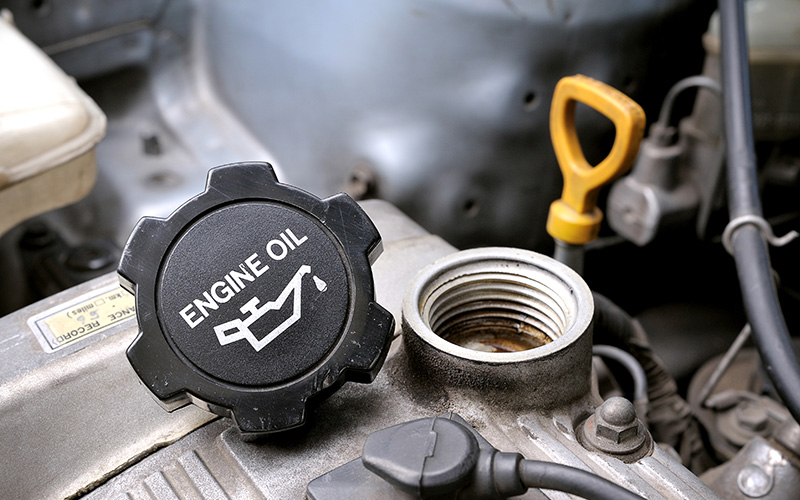
Keeping your Ford running at peak performance requires regular maintenance, and oil changes are a crucial part of this routine. A Ford oil change ensures that your engine stays lubricated, reducing friction and preventing wear and tear. Over time, oil can break down and collect debris, which can harm your engine. Regular oil changes not only extend the lifespan of your vehicle but also improve fuel efficiency and performance.
For drivers in Lexington, SC, where commuting and seasonal weather changes can take a toll on vehicles, staying on top of your Ford oil change schedule is particularly important.
How Often Should You Get a Ford Oil Change?
One of the most common questions drivers ask is, “How often should I get an oil change?” The answer depends on your specific Ford model and driving habits. Generally, Ford recommends changing your oil every 7,500 to 10,000 miles for newer models equipped with synthetic oil. However, older models or those using conventional oil may require an oil change every 3,000 to 5,000 miles.
If your oil light is on or your engine seems to be running louder than usual, it’s a clear sign that your Ford needs immediate attention. Ignoring these warnings can lead to costly engine damage down the line.
What Types of Oil Are Best for Your Ford?
Choosing the right oil for your Ford is just as important as getting regular oil changes. Ford vehicles are designed to perform best with specific types of oil, including synthetic, semi-synthetic, and conventional options. Synthetic oil is highly recommended for most modern Ford models, such as the Mustang, F-150, and Explorer, as it provides superior performance and durability under extreme conditions.
For those who push their vehicles harder—whether towing heavy loads with a Ford Super Duty or hitting the trails in a Bronco—synthetic oil’s added protection and longevity are worth the investment. Always consult your owner’s manual or a trusted Ford technician to determine the best oil type for your vehicle.
What If Your Oil Light Is On?
Seeing the oil light on your dashboard can cause concern, but it’s not always a sign of a major issue. Common reasons for the oil light turning on include low oil levels, dirty oil, or a malfunctioning sensor. Regardless, it’s essential to address the issue promptly to avoid potential engine damage.
If you notice the oil light on your Ford vehicle, schedule an inspection right away. For drivers in Lexington, SC, Jim Hudson Ford offers expert diagnostic and maintenance services to ensure your vehicle remains in top condition.
Looking for reliable Ford oil change services in Lexington, SC? Visit Jim Hudson Ford for expert care and quality service. Our team is here to help you keep your Ford running smoothly for miles to come.
Regular Ford oil changes are a simple yet essential part of maintaining your vehicle’s performance and longevity. By understanding how often to change your oil, selecting the right oil type, and addressing warning signs like the oil light turning on, you can avoid costly repairs and keep your Ford running like new.
For drivers in Lexington, SC, trust the experienced technicians at Jim Hudson Ford to handle all your oil change needs. Schedule your appointment today and give your Ford the care it deserves!
Connect with us


- July 2026
- June 2026
- May 2026
- April 2026
- March 2026
- February 2026
- January 2026
- December 2025
- November 2025
- October 2025
- September 2025
- August 2025
- July 2025
- June 2025
- March 2025
- February 2025
- January 2025
- December 2024
- November 2024
- October 2024
- September 2024
- August 2024
- July 2024
- June 2024
- May 2024
- April 2024
- March 2024
- February 2024
- January 2024
- December 2023
- November 2023
- October 2023
- September 2023
Archives
- 2023 Ford
- 2024 Ford
- 2025 Ford
- 2026
- 2026 Bronco
- 2026 Escape
- 2026 Explorer
- 2026 F-150
- 2026 Mustang
- Auto Financing
- Battery Replacement/Repair
- Brake Repair
- Bronco Sport
- Edge
- Escape
- Escape
- Expedition
- Expedition
- Expedition Max
- Explorer
- Explorer
- F-150
- F-150
- F-150 Lightning
- F-250SD
- F-350SD
- FAQs
- Ford Warranty
- Headlights
- Jim Hudson Ford of Lexington
- Jim Hudson Ford Service
- Key FOB
- Lexington Ford Dealer
- Lexington Ford Service
- Lexington Used Cars
- Lexington, SC
- Maverick
- Maverick
- Mustang
- Mustang
- Mustang Mach-E
- Oil Change
- Parts
- Suspension
- Tail Lights
- Tire Replacement
- Towing
- Trims
- Uncategorized
- Wheel Alignment