


Good vehicle design often comes down to the details drivers rarely think about. Lighting is one of them. Headlights and tail lights work quietly in the background every time you drive, helping you see the road ahead while ensuring other drivers can see you. Most of us only notice them when a warning light appears on the dashboard or when a bulb suddenly stops working. By that point, a system designed around safety has already begun asking for attention.
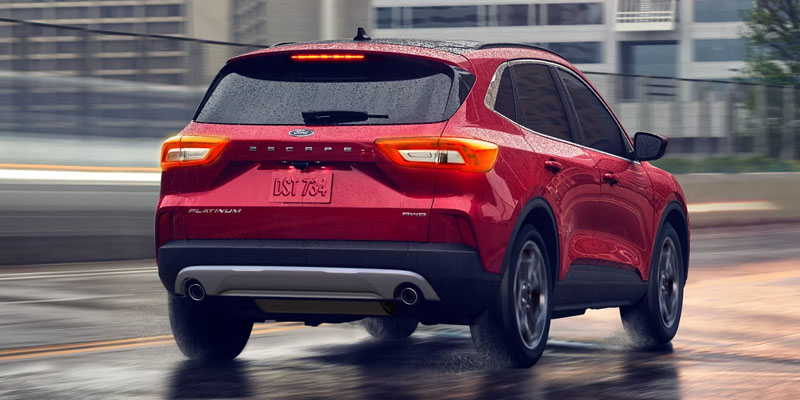
For drivers in Lexington, SC, where everything from heavy rain to early winter sunsets can affect visibility, keeping your Ford’s lighting system in proper condition is one of the simplest ways to stay safer on the road.
The Purpose of Modern Headlights
Headlights have evolved considerably over the years. What began as a simple source of illumination has become a carefully engineered safety system designed to maximize visibility without creating unnecessary glare for other drivers.
Many modern Ford vehicles use halogen, LED, or HID lighting technology. Halogen systems remain common because of their affordability and ease of replacement. LED headlights have become increasingly popular thanks to their brighter light output, lower energy consumption, and longer service life. HID systems offer impressive brightness as well, though they tend to be more complex and expensive to service.
Regardless of technology, the goal remains the same: helping drivers see farther, react sooner, and travel more confidently after dark.
Tail Lights Are Just as Important
While headlights help you see, tail lights help others understand what you are doing. The red illumination at the rear of your vehicle allows drivers behind you to recognize your presence, judge distance, and react appropriately to changing traffic conditions. Brake lights signal when you’re slowing down. Turn signals communicate intended direction changes. Together, these systems create a constant conversation between vehicles on the road.
It is easy to underestimate their importance until one stops functioning.
Signs Your Headlights May Need Service
A burned-out bulb is the most obvious sign something needs attention, but it is rarely the only warning. Headlights that appear dimmer than normal, flicker intermittently, or produce uneven light output often indicate that a bulb is approaching the end of its service life. Cloudy or yellowed headlight lenses can also reduce visibility significantly by limiting how much light reaches the road.
Another commonly overlooked issue is headlight alignment. Even a perfectly functioning bulb becomes less effective if it is aimed too high or too low. Proper alignment improves visibility while reducing glare for oncoming traffic.
Tail Light Problems Can Be Harder to Spot
Unlike headlights, drivers rarely have an opportunity to see their own tail lights while driving. That is why dashboard alerts, routine inspections, and occasional visual checks are so important. Dim illumination, intermittent operation, or non-functioning brake lights can create safety concerns and potentially result in a traffic citation.
Many newer Ford vehicles include monitoring systems that alert drivers when exterior bulbs require attention, making it easier to identify problems before they become larger issues.
Routine Inspections Help Prevent Surprises
There is no universal replacement interval for headlights and tail lights because lifespan varies depending on bulb type, driving conditions, and vehicle usage.
A practical approach is to have the lighting system inspected during routine maintenance visits. Technicians can identify failing bulbs, damaged lenses, alignment concerns, and electrical issues before they affect visibility or safety.
Drivers who regularly travel after dark or encounter frequent rain and fog conditions around Lexington may benefit from more frequent inspections.
Keep Your Ford Ready for the Road Ahead
Your vehicle’s lighting system performs an essential job every time you drive. Clear, properly functioning headlights help you see potential hazards sooner, while reliable tail lights help other drivers react appropriately around you.
If you’ve noticed a dim bulb, cloudy lenses, flickering lights, or a dashboard warning, now is a good time to schedule service. The team can inspect your Ford’s lighting system, replace worn components, and help ensure your vehicle remains ready for whatever conditions the road brings next.
Connect with us


- July 2026
- June 2026
- May 2026
- April 2026
- March 2026
- February 2026
- January 2026
- December 2025
- November 2025
- October 2025
- September 2025
- August 2025
- July 2025
- June 2025
- March 2025
- February 2025
- January 2025
- December 2024
- November 2024
- October 2024
- September 2024
- August 2024
- July 2024
- June 2024
- May 2024
- April 2024
- March 2024
- February 2024
- January 2024
- December 2023
- November 2023
- October 2023
- September 2023
Archives
- 2023 Ford
- 2024 Ford
- 2025 Ford
- 2026
- 2026 Bronco
- 2026 Escape
- 2026 Explorer
- 2026 F-150
- 2026 Mustang
- Auto Financing
- Battery Replacement/Repair
- Brake Repair
- Bronco Sport
- Edge
- Escape
- Escape
- Expedition
- Expedition
- Expedition Max
- Explorer
- Explorer
- F-150
- F-150
- F-150 Lightning
- F-250SD
- F-350SD
- FAQs
- Ford Warranty
- Headlights
- Jim Hudson Ford of Lexington
- Jim Hudson Ford Service
- Key FOB
- Lexington Ford Dealer
- Lexington Ford Service
- Lexington Used Cars
- Lexington, SC
- Maverick
- Maverick
- Mustang
- Mustang
- Mustang Mach-E
- Oil Change
- Parts
- Suspension
- Tail Lights
- Tire Replacement
- Towing
- Trims
- Uncategorized
- Wheel Alignment