
Blog / Jim Hudson Ford Service

Blog

All Jim Hudson Ford Service Jim Hudson Ford of Lexington Lexington, SC Lexington Ford Dealer 2024 Ford Lexington Ford Service 2025 Ford F-150 Lexington Used Cars 2026 2026 F-150 Escape Expedition Explorer Mustang 2023 Ford 2026 Explorer Brake Repair Bronco Sport Expedition Max F-250SD F-350SD FAQs Maverick Oil Change Parts 2026 Bronco 2026 Escape 2026 Mustang Auto Financing Battery Replacement/Repair Edge F-150 Lightning Ford Warranty Headlights Key FOB Mustang Mach-E Suspension Tail Lights Tire Replacement Towing Trims Wheel Alignment
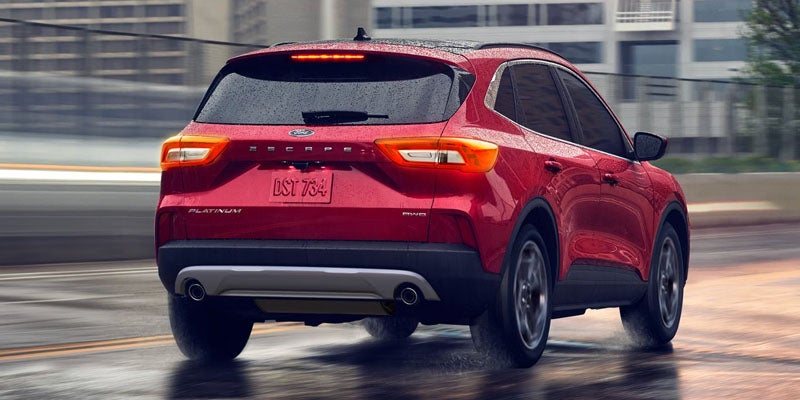
How Headlights and Tail Lights Work and Why They Deserve More Attention Than They Get 

How Headlights and Tail Lights Work and Why They Deserve More Attention Than They Get

Good vehicle design often comes down to the details drivers rarely think about. Lighting is one of them. Headlights and tail lights work quietly in the background every time you drive, helping you see the road ahead while ensuring other drivers can see you. Most of us only notice them when a warning light appears on the dashboard or when a bulb suddenly stops working. By that point, a system designed around safety has already begun asking for attention. For drivers in Lexington, SC, where everything from heavy rain to early winter sunsets can affect visibility, keeping your Ford's lighting system in proper condition is one of the simplest ways to stay safer on the road. The Purpose of Modern Headlights Headlights have evolved considerably over the years. What began as a simple source of illumination has become a carefully engineered safety system designed to maximize visibility without creating unnecessary glare for other drivers. more Many modern Ford vehicles use halogen, LED, or HID lighting technology. Halogen systems remain common because of their affordability and ease of replacement. LED headlights have become increasingly popular thanks to their brighter light output, lower energy consumption, and longer service life. HID systems offer impressive brightness as well, though they tend to be more complex and expensive to service. Regardless of technology, the goal remains the same: helping drivers see farther, react sooner, and travel more confidently after dark. Tail Lights Are Just as Important While headlights help you see, tail lights help others understand what you are doing. The red illumination at the rear of your vehicle allows drivers behind you to recognize your presence, judge distance, and react appropriately to changing traffic conditions. Brake lights signal when you're slowing down. Turn signals communicate intended direction changes. Together, these systems create a constant conversation between vehicles on the road. It is easy to underestimate their importance until one stops functioning. Signs Your Headlights May Need Service A burned-out bulb is the most obvious sign something needs attention, but it is rarely the only warning. Headlights that appear dimmer than normal, flicker intermittently, or produce uneven light output often indicate that a bulb is approaching the end of its service life. Cloudy or yellowed headlight lenses can also reduce visibility significantly by limiting how much light reaches the road. Another commonly overlooked issue is headlight alignment. Even a perfectly functioning bulb becomes less effective if it is aimed too high or too low. Proper alignment improves visibility while reducing glare for oncoming traffic. Tail Light Problems Can Be Harder to Spot Unlike headlights, drivers rarely have an opportunity to see their own tail lights while driving. That is why dashboard alerts, routine inspections, and occasional visual checks are so important. Dim illumination, intermittent operation, or non-functioning brake lights can create safety concerns and potentially result in a traffic citation. Many newer Ford vehicles include monitoring systems that alert drivers when exterior bulbs require attention, making it easier to identify problems before they become larger issues. Routine Inspections Help Prevent Surprises There is no universal replacement interval for headlights and tail lights because lifespan varies depending on bulb type, driving conditions, and vehicle usage. A practical approach is to have the lighting system inspected during routine maintenance visits. Technicians can identify failing bulbs, damaged lenses, alignment concerns, and electrical issues before they affect visibility or safety. Drivers who regularly travel after dark or encounter frequent rain and fog conditions around Lexington may benefit from more frequent inspections. Keep Your Ford Ready for the Road Ahead Your vehicle's lighting system performs an essential job every time you drive. Clear, properly functioning headlights help you see potential hazards sooner, while reliable tail lights help other drivers react appropriately around you. If you've noticed a dim bulb, cloudy lenses, flickering lights, or a dashboard warning, now is a good time to schedule service. The team can inspect your Ford's lighting system, replace worn components, and help ensure your vehicle remains ready for whatever conditions the road brings next.
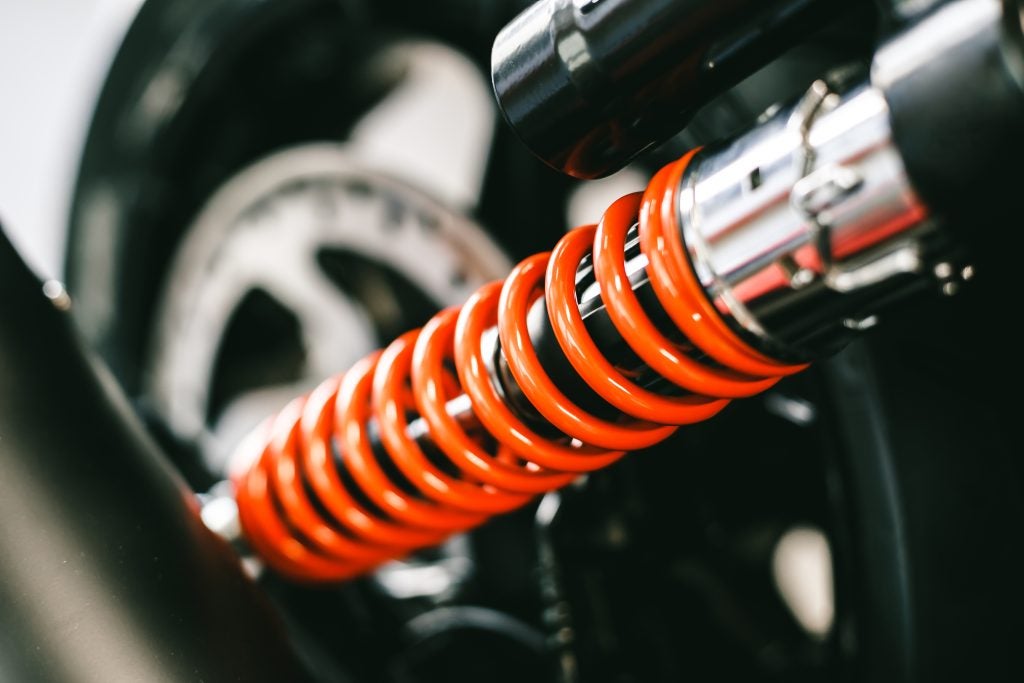
Mechanical detail of a suspension system showing a coiled spring.

Suspension Maintenance in Lexington, SC: What You Need to Know

What does suspension maintenance mean for drivers? There is a certain satisfaction in driving a vehicle that feels planted, composed, and quietly confident over uneven pavement. Much of that assurance comes from a properly maintained suspension system working diligently beneath the bodywork. Springs, dampers, bushings, and linkages operate in harmony to absorb imperfections in the road, maintain steady tire contact, and support predictable handling through corners and braking zones. Typical Suspension Concerns That Develop Over Time Even the most carefully engineered suspension components experience wear. Shock absorbers and struts may lose their ability to control body motion after extended use, leading to a ride that feels unsettled over bumps. Wheel alignment issues can also emerge from potholes or curb impacts, creating uneven tire wear and subtle changes in steering feel. more Other concerns may include fatigued springs that alter ride height or worn control arm bushings that introduce unwanted noise and vibration. Addressing these issues early helps maintain driving precision and prevents additional strain on surrounding components. Recognizing the Subtle Signals of Suspension Wear Vehicles often communicate suspension concerns through small but noticeable changes in behavior. A tendency to drift slightly within a lane, increased body movement after encountering road imperfections, or unfamiliar sounds when traveling over uneven surfaces can all suggest the need for inspection. Drivers may also observe irregular tire wear patterns or a steering response that feels less direct than usual. Identifying these signs promptly allows technicians to diagnose underlying causes before they affect overall driving comfort or confidence. The Practical Benefits of Routine Suspension Maintenance Maintaining suspension health contributes to more than just ride quality. Stable handling characteristics support safer braking performance and more predictable vehicle control in varying road conditions. A well-balanced suspension system also promotes even tire wear, which can extend tire service life and help maintain fuel efficiency. From a financial perspective, routine inspections often reveal minor concerns before they evolve into more complex repairs. This proactive approach supports long-term ownership satisfaction while preserving the composed driving character many drivers value. Experience Smooth Confidence on Lexington Roads Drivers who wish to restore ride comfort and maintain confident handling can schedule suspension maintenance at Jim Hudson Ford in Lexington, SC. A detailed inspection by experienced technicians can help ensure your vehicle remains balanced, stable, and ready for the demands of everyday driving.

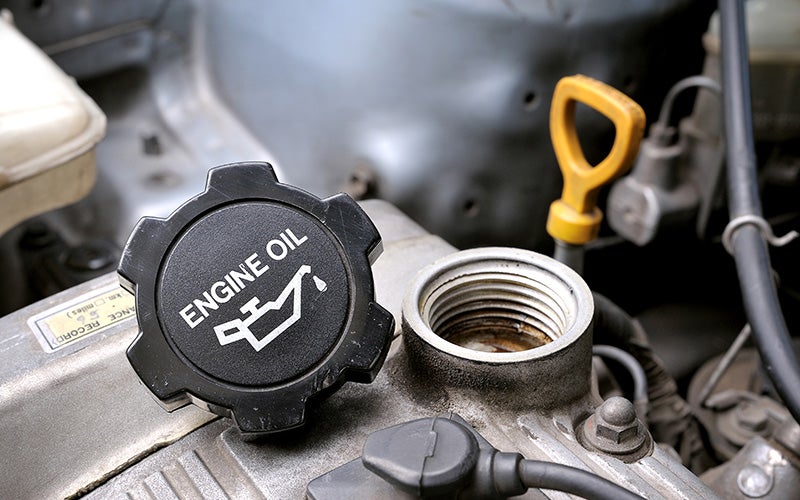
An engine oil cap removed and displayed prior to an oil change

Ford Oil Change: Everything You Need to Know

When it comes to maintaining the performance and longevity of your vehicle, regular appointments for a ford oil change is one of the most important steps you can take. Whether you drive a Ford Mustang, F-150, or Explorer, keeping your engine well-lubricated with clean oil ensures smooth operation and helps prevent costly repairs down the road. In this guide, we’ll walk you through everything you need to know about Ford oil changes, from how often to get one, to the best types of oil for your vehicle, and what to do if your oil light comes on. If you’re a Ford owner in Lexington, SC, this information will help you keep your vehicle running like new for years to come. Why Are Regular Oil Changes Important? Keeping your Ford running at peak performance requires regular maintenance, and oil changes are a crucial part of this routine. A Ford oil change ensures that your engine stays lubricated, reducing friction and preventing wear and tear. Over time, oil can break down and collect debris, which can harm your engine. Regular oil changes not only extend the lifespan of your vehicle but also improve fuel efficiency and performance. more For drivers in Lexington, SC, where commuting and seasonal weather changes can take a toll on vehicles, staying on top of your Ford oil change schedule is particularly important. How Often Should You Get a Ford Oil Change? One of the most common questions drivers ask is, “How often should I get an oil change?” The answer depends on your specific Ford model and driving habits. Generally, Ford recommends changing your oil every 7,500 to 10,000 miles for newer models equipped with synthetic oil. However, older models or those using conventional oil may require an oil change every 3,000 to 5,000 miles. If your oil light is on or your engine seems to be running louder than usual, it’s a clear sign that your Ford needs immediate attention. Ignoring these warnings can lead to costly engine damage down the line. What Types of Oil Are Best for Your Ford? Choosing the right oil for your Ford is just as important as getting regular oil changes. Ford vehicles are designed to perform best with specific types of oil, including synthetic, semi-synthetic, and conventional options. Synthetic oil is highly recommended for most modern Ford models, such as the Mustang, F-150, and Explorer, as it provides superior performance and durability under extreme conditions. For those who push their vehicles harder—whether towing heavy loads with a Ford Super Duty or hitting the trails in a Bronco—synthetic oil’s added protection and longevity are worth the investment. Always consult your owner’s manual or a trusted Ford technician to determine the best oil type for your vehicle. What If Your Oil Light Is On? Seeing the oil light on your dashboard can cause concern, but it’s not always a sign of a major issue. Common reasons for the oil light turning on include low oil levels, dirty oil, or a malfunctioning sensor. Regardless, it’s essential to address the issue promptly to avoid potential engine damage. If you notice the oil light on your Ford vehicle, schedule an inspection right away. For drivers in Lexington, SC, Jim Hudson Ford offers expert diagnostic and maintenance services to ensure your vehicle remains in top condition. Looking for reliable Ford oil change services in Lexington, SC? Visit Jim Hudson Ford for expert care and quality service. Our team is here to help you keep your Ford running smoothly for miles to come. Regular Ford oil changes are a simple yet essential part of maintaining your vehicle’s performance and longevity. By understanding how often to change your oil, selecting the right oil type, and addressing warning signs like the oil light turning on, you can avoid costly repairs and keep your Ford running like new. For drivers in Lexington, SC, trust the experienced technicians at Jim Hudson Ford to handle all your oil change needs. Schedule your appointment today and give your Ford the care it deserves!

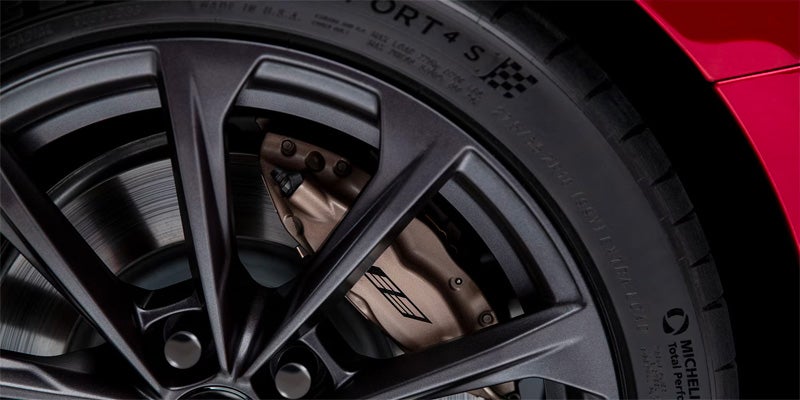
A close up of a vehicle tire displaying the brake pads and rotors

Brake Pads: What They Are and Their Role in Vehicle Operation

If you’ve ever asked, “What are brake pads?” you’re not alone. Brake pads are a vital part of your vehicle’s braking system. Their job is to generate friction against the brake rotors when you press the brake pedal. This friction converts the vehicle’s moving energy into heat, allowing the car to slow down or stop safely. For drivers in Lexington, SC, staying attentive to brake pad condition is essential. Worn padding can lead to increased stopping distances or symptoms like a car squealing when braking, which often signals that brake pads are nearing the end of their service life. Signs That Your Brakes Need Attention Brake pads naturally wear down over time, and certain signs indicate they’re due for replacement. A common early warning is a car squealing when braking. Many pads include a built-in wear indicator, which produces a high-pitched noise when the pad material reaches a low point. more Other warning signs include: A grinding sound, which may indicate the pads are worn down to the backing plate. Reduced braking performance or longer stopping distances. A vibrating brake pedal, which can point to uneven pad wear or rotor irregularities. Any of these symptoms warrant a prompt inspection from a qualified service technician. How Often Should Brake Pads Be Replaced? Brake pad lifespan varies based on driving habits, vehicle type, and operating conditions. Most pads need replacement somewhere between 30,000 and 70,000 miles, but stop-and-go driving common in Lexington can accelerate wear. During routine service visits, a technician can measure pad thickness and advise you on replacement timing. Regular inspections help ensure your braking system remains responsive and reliable. Maintaining Your Brake Pads for Optimal Performance Good driving habits and consistent maintenance can extend the life of your brake pads. Here are a few practical tips: Avoid hard braking unless absolutely necessary. Keep your vehicle’s load within recommended limits to reduce brake strain. Schedule regular brake inspections and maintenance at a trusted service center such as Jim Hudson Ford in Lexington, SC. Staying proactive helps prevent issues like a car squealing when braking and supports the overall safety of your vehicle. Why Proper Brake Pad Care Matters Understanding what brake pads do and staying ahead of their maintenance helps ensure dependable braking performance. For drivers in Lexington, SC, professional service from Jim Hudson Ford provides the expertise needed to keep your braking system in peak condition and maintain confidence on the road.

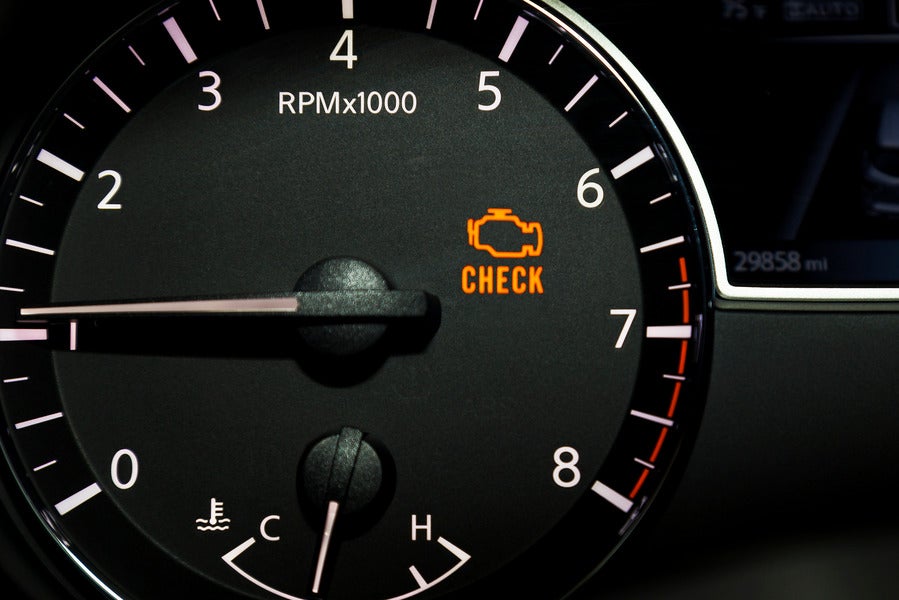
A close up of a vehicle dashboard with the check engine light on

What to Do When Your Check Engine Light Comes On

The check engine light (CEL) in your Ford vehicle can be a source of concern, but it’s not always a sign of an immediate emergency. This warning light can indicate anything from a minor issue to a more serious problem with your engine or emissions system. Understanding the potential causes and taking the right steps can prevent unnecessary stress and help you avoid costly repairs down the line. At Jim Hudson Ford in Lexington, SC, we’re here to guide you through what to do when the check engine light comes on and how to address it. What Does the Check Engine Light Mean? The check engine light is part of your vehicle’s onboard diagnostics system. It can illuminate for a variety of reasons, including issues related to your engine, exhaust, transmission, or other vital components of your vehicle. While it’s essential to take the light seriously, it’s not always a cause for immediate alarm. There are two common reasons why the check engine light may come on: more Flashing Check Engine Light: A flashing light typically indicates a more severe problem, such as a misfire or an issue with your engine’s emissions system. If the check engine light is flashing, it’s important to pull over safely and get your vehicle checked by a professional as soon as possible to prevent further damage. Solid Check Engine Light: A solid, non-flashing light typically indicates a less urgent issue, such as a loose gas cap, faulty oxygen sensor, or worn spark plugs. However, it still requires attention and diagnostic testing to prevent the issue from worsening. Understanding these distinctions can help you decide when it’s okay to continue driving and when it’s time to seek professional help. Common Causes of "Check Engine" in Your Ford Several common issues can trigger the check engine light in your Ford vehicle. While not all of them are urgent, it’s essential to have the issue diagnosed as soon as possible to avoid further complications. 1. Loose or Damaged Gas Cap One of the most common and simple causes of a check engine light is a loose or damaged gas cap. If the gas cap isn’t tightly secured or is cracked, it can cause your vehicle to lose pressure in the fuel system, triggering the check engine light. 2. Faulty Oxygen Sensor The oxygen sensor measures the amount of unburned oxygen in your vehicle's exhaust system. A faulty sensor can reduce fuel efficiency and increase emissions. If your oxygen sensor is malfunctioning, your Ford will not be able to optimize its fuel economy, and the check engine light may come on. 3. Worn-Out Spark Plugs or Wires Spark plugs are essential for igniting the fuel in your engine’s cylinders. Over time, spark plugs can wear out, causing misfires and triggering the check engine light. Damaged or worn-out spark plug wires can also lead to performance issues. 4. Faulty Catalytic Converter The catalytic converter reduces harmful emissions and converts exhaust gases into less harmful substances. If this component is malfunctioning, your engine may not run efficiently, and it can lead to increased emissions. A faulty catalytic converter is a more serious issue and should be addressed as soon as possible. 5. Mass Airflow Sensor Issues The mass airflow sensor measures the amount of air entering the engine and helps control the fuel injection process. If this sensor fails, it can cause poor engine performance, reduced fuel economy, and trigger the check engine light. 6. Exhaust Gas Recirculation (EGR) Valve Problems The EGR valve helps reduce emissions by recirculating some of the exhaust gases back into the engine. If the EGR valve malfunctions, it can cause performance issues and may cause the check engine light to appear. 7. Transmission Problems The check engine light may also be triggered by issues with the transmission. This can include problems with the fluid level or a more severe mechanical issue. Transmission-related issues are typically more serious and should be diagnosed by a professional technician. What Should You Do When the Check Engine Light Comes On? When your check engine light turns on, it's important to act quickly and appropriately. Here’s what you should do: 1. Check for Simple Issues Before heading to the service center, check for easy-to-fix issues like a loose gas cap. Tighten the cap and see if the light goes off after a few engine cycles. If the light remains on, it’s time to get your vehicle checked. 2. Avoid Ignoring the Light While a solid CEL may not indicate an immediate emergency, it's still essential not to ignore it. Small issues can quickly become big problems, leading to costly repairs if left unaddressed. Even if the vehicle seems to be running fine, it’s best to get the issue diagnosed. 3. Schedule a Diagnostic Test At Jim Hudson Ford, we have advanced diagnostic tools that allow us to read the trouble codes from your vehicle’s onboard diagnostics system. These codes will pinpoint the issue, helping us quickly identify the problem and recommend the best course of action. Scheduling a diagnostic test at the first sign of a CEL can save you time and money by identifying the issue early. 4. Keep Driving, but Be Cautious If your CEL is steady (not flashing) and your vehicle seems to be running normally, you may be able to continue driving for a short period. However, be cautious and monitor your vehicle’s performance closely. Avoid heavy acceleration or high-speed driving until the issue is diagnosed. 5. Stop Driving if the Light Is Flashing If the CEL is flashing, stop driving immediately. A flashing light is often an indication of a serious problem, such as an engine misfire, that could cause further damage to your vehicle’s engine or exhaust system. Pull over safely and have your vehicle towed to the service center for repairs. Why Choose Jim Hudson Ford for Your CE L Diagnostics? At Jim Hudson Ford in Lexington, SC, our service center is equipped with the latest diagnostic tools to identify and resolve any issues that may trigger your CEL. Our factory-trained technicians are experts in Ford vehicles and can quickly determine the cause of the warning light and recommend the best repair options. When you bring your Ford vehicle to us, you can expect: Quick and Accurate Diagnostics: We use state-of-the-art tools to read your vehicle’s diagnostic codes and pinpoint the cause of the CEL. Experienced Technicians: Our technicians have extensive knowledge of Ford vehicles, ensuring that we can provide the most accurate and efficient repairs. Reliable Repairs: We only use high-quality parts and follow manufacturer guidelines to ensure that your vehicle is repaired correctly and safely. Comprehensive Service: In addition to diagnostics, we offer full-service maintenance and repair to keep your Ford running smoothly and efficiently. Keep Your Ford Running Smoothly The check engine light can be a sign of something as simple as a loose gas cap or something more serious like engine or transmission problems. It’s important to address the issue promptly to prevent further complications. At Jim Hudson Ford, we’re here to help you keep your Ford running at its best, with reliable diagnostics and expert repairs to handle any issue that comes your way.

4 Signs Your Ford Needs a Tire Alignment From Your Ford Dealership

A tire alignment, also known as a wheel alignment, is an adjustment of your vehicle's suspension system to get your wheels back in line with your car. This benefits the overall condition of your tires, making your car safer and easier to handle. That's why you should always look out for the signs below so you can head to your Ford dealership as soon as they occur. 1. Your Car Is Driving to One Side When your car is pulling to one side when you're trying to drive straight, you know something is wrong. The reason your car may be driving to one side instead of straight can lie with your wheel alignment. If your wheels are turned to one side when they should be pointing straight, then your car will pull to one side when you're trying to go straight. more 2. Your Steering Wheel Is Crooked If your tires are out of alignment with your vehicle's centerline, then this may make your steering wheel appear off-center. It could be tilted slightly when your car is going in a straight line. When you turn your steering wheel back into a centered position, your car will begin driving to one side instead of straight. 3. Your Tires Are Wearing Down Too Fast Visually inspect your tires every few weeks for signs of damage and wear. Try to inspect your tires on the same schedule all the time; for example, every four weeks. By checking your tires every four weeks, you'll become used to how much your tread typically wears down in that amount of time. That'll make it easier to notice when your tread is wearing down faster, as you'll see that your tread has worn down much more in one four-week period than in the last. 4. Your Tread Is Wearing Down Unevenly When you're inspecting your tires for wear, be sure to note whether your tread seems to be wearing down evenly or not. Uneven tread wear can be a sign of different issues with your vehicle. It may tell you that you need a tire rotation soon or it could mean your tires are out of alignment with your car. Pay us a visit at Jim Hudson Ford in Lexington, SC for a wheel alignment or any other service that you need. Contact 803-359-4114 to get in touch with our service department.

3 Examples of Ford Maintenance Available at Your Ford Dealership

As your trusted Ford dealership, we'd like to give you some examples of the types of Ford maintenance we provide to keep your vehicle in good shape so you can enjoy it for years to come. Air Filter Replacement Your engine requires large quantities of air, which mixes with the fuel in the intake manifold to produce a precise 14:1 air-to-fuel ratio. This mixture is drawn into the cylinders, compressed, and ignited to create combustion. This air must be clean before mixing, so air drawn in through the radiator grille first passes through the engine air filter, which traps dirt, leaves, and other debris before it enters the engine. more In time, the air filter will become clogged with dirt, restricting airflow to the engine. If your engine doesn't receive enough air, the larger amount of fuel turns the engine fuel-rich. A fuel-rich engine uses more fuel, produces black exhaust smoke, and can damage the spark plugs, ignition coils, and other components. We can fix this problem in minutes by replacing the filter, and the air-to-fuel ratio will return to normal. Radiator Flush Coolant traps engine heat and transports it to the radiator, where the hot coolant enters rows of metal tubes. Airflow through the radiator grille blows over the tube, removing the heat, and the coolant circulates through the engine again. Unfortunately, coolant also absorbs dirt, metal fragments, and other debris, depositing it at the bottom of the radiator when it leaves. As time passes, this debris turns sludge-like and can block the radiator, preventing it from removing the heat. Your engine temperature will rise, and the extreme heat can cause major engine damage unless prevented. If your engine temperature rises suddenly, contact us, and we'll investigate. We'll drain the old coolant, then fill the system with new coolant mixed with a conditioner. This mixture will clean the radiator and cooling system. Once the system is clean, we'll fill it with fresh coolant. Wiring Replacement Most of your Ford's systems require electricity, which is generated by the alternator. Wiring travels throughout your vehicle to transfer this power to all the systems. Thick plastic insulation protects the wiring against dirt, moisture, and heat. Despite this protection, the wiring will age, and older wiring can snap. Broken wiring cuts off power to the systems it is connected to until the power is restored. Our technicians will investigate and replace any damaged wiring so the systems will work again. Book your maintenance today by contacting our service department at Jim Hudson Ford in Lexington, SC.

Ask Your Ford Dealer: 7 Signs of a Faulty Ignition Coil

Keeping your Ford's ignition coil in good shape is crucial. It's the part that turns your car's battery power into a spark strong enough to fire up the engine. A faulty ignition coil can mess up your engine's performance big time. Here are some signs to watch out for that might mean it's time to visit your Ford dealer. 1. Engine Misfires If your Ford starts sputtering or hesitates when you hit the gas, it could be a sign of a bad ignition coil. This often feels like the car is jerking and can come with a loss of power. It's one of the most noticeable signs that your ignition coil isn't working right. more 2. Gas Guzzling Noticed you're stopping at the gas station more often? A failing ignition coil could be why. If the coil isn't working properly, your spark plugs might not be igniting the fuel efficiently, which means your engine has to use more fuel to do the same amount of work. 3. Check Engine Light That little check engine light can mean a lot of things, and one of them is a problem with your ignition coil. Cars today have systems that check for all kinds of engine issues, including spark problems. If your car's check engine light pops on, you should have it checked out by a professional to see what the problem is. 4. Trouble Starting the Car If your car's becoming a pain to start, consider the ignition coil as a possible culprit. A worn-out coil might struggle to make enough spark to get your engine going,  especially if it's been a recurring issue. 5. Engine Stalling This is a big one. If your Ford stalls while you're driving or just after starting up, it could be due to a bad ignition coil. This happens because the engine isn't getting enough power to keep running, often due to a weak spark. 6. Odd Noises Hearing strange popping noises? These could be backfires, which happen when unburned fuel ignites in the exhaust system instead of in the engine. It's a common sign of ignition issues, including problems with your ignition coil. 7. Rough Idling Is your car shaking more than usual at a red light? Your ignition coil might not be able to provide the consistent sparks required to keep the engine running with a steady rhythm. Rough idling feels like the engine is sputtering or struggling to run smoothly when you're not moving. ​Whether it's engine misfires, extra trips ​to fill up, or that pesky check engine light, if your car starts acting up, don't wait to get it ​checked out. Call Jim Hudson Ford in Lexington, SC to get your ignition coil checked out today.

9 Signs Your Ford Needs a Brake Repair at Your Ford Dealer

Driving should be enjoyable and stress-free, but neglecting your brakes can take the fun out of driving and put your safety at risk. Your authorized Ford dealer is committed to keeping your brakes in peak condition through quality brake repair. Understanding common red flags is key to determining when it's time to schedule service. Noisy Brakes Among the first indications of wearing parts are noises like grinding, scraping, squealing, or chatter. The certified technicians at your dealer can inspect your brakes to pinpoint the source, whether it's low pads or something more serious developing. more Reduced Pedal Feel New brake pads tend to feel firm when the pedal is pressed. If yours feels soft or "spongy," it could mean air has entered the lines from a leak in need of repair or fluid is low and needs refilling. Pedal Vibrations Over time, degradation causes the brake pedal to pulsate or shudder on application. Your dealer factory-trained mechanics thoroughly evaluate your system for causes like warping rotors or sticking calipers in need of repair. Pulling to One Side Uneven pad wear can result in your Ford veering left or right under braking pressure. This signals the need for pads on one side or attention to a potentially sticking caliper. Uneven braking also decreases control. Decreased Braking Power or Delayed Response Weak or sluggish brakes that no longer deliver strong, confident braking power could point to issues like low fluid levels, worn components, or problems with calipers or other brake system parts. Delayed response is also a red flag. Worn-Down Pads Always check your pads regularly for even wear patterns and thickness. When the wear indicators are visible, it's past time for replacement. Thin or warped rotors also often need to be resurfaced or replaced during brake service. Rusty or Seized Calipers Over time, without lubrication, caliper sliders corrode or freeze, preventing pads from releasing. Rebuilt or replacement calipers fix this using genuine Ford components. Brake Warning Light Your Ford's dashboard includes a red brake warning light. If this illuminates, it could signal a problem that requires diagnosis, such as low fluid level, issues with the brake booster, or problems with ABS or stability control systems. Don't drive until your dealership can check it out. Brake Fluid is Dirty or Low Periodically check your brake fluid level and replace it according to your owner's manual schedule. Dirty or low fluid can indicate leaks or worn seals that require repair. Don't gamble with your safety or risk costly damage by delaying necessary brake service. Visit us today at Jim Hudson Ford in Lexington, SC, for a full brake inspection. We want your driving experience to remain enjoyable for many miles to come.

Signs You Need a New Car Battery From Your Ford Dealer

The battery's most important job is to supply the electricity that starts your engine. Its second task is to maintain the electrical system when the engine is switched off. In time, the battery will wear out or become damaged, and you'll need a replacement. As your Ford dealer, we'd like you to know a few signs that you need to visit us for a new car battery. Loose Connections The battery is connected to the electrical system by two clamps: one attached to the positive terminal and the other to the negative terminal. These clamps are securely connected so electricity can't pass through any gap. As you drive, these cables will move slightly, and these movements can gradually cause one or both clamps to loosen. more A loose clamp prevents the battery from receiving or supplying electricity. If your engine won't start, the problem could be a loose clamp. We'll examine the battery connections and tighten them if they're loose. Bad Smell Sulfur dioxide has an awful smell that's similar to rotten eggs. Under normal circumstances, you'll never smell this stench, as sulfur dioxide shouldn't be present in your engine. This chemical forms in response to a failing battery. A battery uses chemicals, like sulfuric acid, to store electricity as chemical energy and supply it when needed. As time passes, the chemical reactions in the battery cause the sulfuric acid to break down, and it releases h​​​​​​​​​​​​​​​​​​​​​​​​​​​​​​​​​​​​​​​​ydrogen gas when this happens. The hydrogen gas leaves the battery and combines with sulfur molecules already present in the engine. Together, they form sulfur dioxide, and you'll start to smell its characteristic stench. We can fix this problem by replacing the weak battery, and the smell will dissipate. Damaged Alternator Your battery might be fine, but it's not working correctly as it's not being sufficiently recharged. The battery uses a large amount of electricity to power the starter that starts your engine. The electricity used should be replenished by the alternator once the engine is running. The alternator's function is to generate electricity for your car's systems and to keep the battery constantly charged. The alternator will eventually start to weaken, and when this happens, it produces less electricity than it previously did. The reduced electricity supply will affect battery recharging, as the battery will receive less electricity than it uses, and this will cause the battery to also weaken. The check battery light will illuminate as a warning that something is wrong. We'll test your alternator and replace it if it's failing, and we'll also test the battery to ensure it's still healthy. Most battery problems are quick and easy to fix. Contact our service department today at Jim Hudson Ford in Lexington, SC.

5 Signs Your Ford Needs New Tires

Tires are the only point of contact between your vehicle and the road, making their maintenance critical. But how do you know when it's time to get new tires from the Ford dealer? 1. Worn Tire Tread The most straightforward sign that your tires need replacing is worn tread. Tires come with built-in tread wear indicators, or small bars within the grooves. When these bars are flush with the tread level, its time for a fresh set of tires. more You can also use the traditional penny test to check on your tread. Insert a penny into the tread groove with Abraham Lincoln facing down. If you can see all of Lincoln's head, your tread depth is too shallow to be safe, and you need to replace your tires. 2. Regular Loss of Tire Pressure If you're consistently needing to add air to your tires, it could be a sign that they have a slow leak. This might be due to a puncture or other damage to the tire. While some punctures can be patched and repaired, more significant damage often means it's time to get some fresh tires. 3. Sidewall Cracks or Bulges Take the time to really look at the sidewalls of your tires. Do you see any cracks, cuts, or bulges? These can either be signs of external damage or damage to the inside of the tire that you can't see. This type of damage can lead to a blowout or sudden tire failure, so it's important to replace the tire as soon as possible to reduce your risk while driving. 4. Uneven Tread Wear Uneven wear on your tires can indicate a variety of issues, like improper alignment or incorrect tire inflation. If one side of a tire is more worn than the other, or if there are irregular bald spots, it's a sign that your tires need attention. 5. Aging Tires Even if your tires look fine, their age is an important factor in determining if they need replacing. Tires generally need to be replaced every six years, even if they look great and have a lot of tread remaining. As tires age, the rubber deteriorates, which can lead to reduced traction and an increased risk that they will fail unexpectedly. Keep Your Tires Fresh at the Ford Dealer Your Ford's performance and your safety rely heavily on the condition of your tires. If you notice any of these issues, it's best to visit your local dealership for a thorough inspection. We can recommend the best tires for your vehicle, and ensure that your Ford continues to deliver the safe and reliable ride you expect. Regular tire checks are key to maintaining the safety and efficiency of your Ford. Head to Jim Hudson Ford today to let the experts take a look at your tires.

How Long Has It Been Since Your Ford's Last Oil Change From Your Ford Dealer?

A regular oil change from your Ford dealer is essential to keep your engine in excellent running condition and your Ford on the road longer. Not only does it help keep your engine clean and protected, but it also ensures your EcoSport, Explorer, or Escape runs optimally. Oil Replacements If you want your Ford to run at its best and last longer, it's important to follow the recommended oil replacement intervals or change the oil when you receive an alert from the Intelligent Oil-Life Monitor. Changing the oil routinely will keep your engine clean, protected, and fuel-efficient. Clean oil is the lifeblood of your Ford, and a small investment in regular oil replacements will help prevent costly repairs. more Mileage Intervals Ford recommends an oil replacement every 7,500 to 10,000 miles or six months to ensure optimal engine performance. Adhering to the oil replacement intervals outlined in your owner's manual is crucial to prevent engine damage. Intelligent Oil-Life Monitor Nowadays, many Ford drivers no longer need to remember when to change the oil based on mileage, thanks to the Intelligent Oil‐Life Monitor (IOLM). The IOLM in newer Ford models monitors your driving habits and calculates oil replacements based on how and where you drive your vehicle and when you last changed the oil. When your Ford needs new oil, the IOLM will alert you with a message on the information display. Oil Replacements and Driving Conditions Your Ford's engine is the heart of your vehicle, and regular oil replacements are the key to keeping it running at its best. However, your driving conditions also influence the frequency of oil replacements. If you frequently drive in heavy traffic, go off-roading, or tow heavy loads, your engine may require more frequent oil replacements to stay in top condition. To determine the best oil replacement intervals for your vehicle, consult your owner's manual or speak with a Ford technician who can recommend the most suitable oil replacement schedule based on your driving habits and vehicle's needs. Oil and Filters Using the correct oil and filter is another important factor to consider when it comes to your Ford engine. The correct oil grade and viscosity will reduce friction and wear and increase your engine's performance. That's why Ford recommends using Motorcraft motor oil and filters.Motorcraft oil ensures proper lubrication and protects your engine against corrosion, and Motorcraft oil filters prevent harmful contaminants from reaching your engine. When you use quality Motorcraft oil and filters, your Ford will run better, use less fuel, and last longer. With regular oil replacements from certified Ford technicians and the correct oil and filters, your Ford engine will run efficiently, and your vehicle will not let you down. Call Jim Hudson Ford today to schedule an oil replacement and have peace of mind your Ford engine is clean, protected, and running optimally.

Contact Us

Fill out this form below and we'll contact you shortly
*Required Fields