Blog / Lexington Ford Service

Blog

All Lexington Ford Service Jim Hudson Ford of Lexington Lexington, SC Lexington Ford Dealer 2024 Ford Jim Hudson Ford Service 2025 Ford F-150 Lexington Used Cars 2026 2026 F-150 Escape Expedition Explorer Mustang 2023 Ford 2026 Explorer Brake Repair Bronco Sport Expedition Max F-250SD F-350SD FAQs Maverick Oil Change Parts 2026 Bronco 2026 Escape 2026 Mustang Auto Financing Battery Replacement/Repair Edge F-150 Lightning Ford Warranty Headlights Key FOB Mustang Mach-E Suspension Tail Lights Tire Replacement Towing Trims Wheel Alignment
The FordPass app - FordPass: A Smarter Way to Drive Around Lexington, SC 

FordPass: A Smarter Way to Drive Around Lexington, SC

Spring in South Carolina does something magical. Suddenly the air feels lighter, the days stretch longer, and the urge to get out on the road becomes almost impossible to ignore. This is precisely where FordPass begins to make real sense. Instead of being just another automotive app buried somewhere between your weather alerts and takeaway orders, it becomes a genuinely helpful companion everyday convenience. Cool Mornings and Sunny Afternoons: Remote Start with FordPass Spring mornings can still carry a chill, especially before the sun properly gets going. With FordPass, you can remotely start your vehicle from the comfort of your kitchen while you finish that first cup of joe. By the time you step outside, the cabin temperature is already sorted. more Later in the day, when the sun decides to show off and the interior feels like a greenhouse on wheels, the same feature becomes just as useful. It is the sort of small luxury that quickly feels essential once you get used to it. Ford Rewards Points That Add Value to Seasonal Maintenance Spring is also prime time for routine vehicle care. Winter grime needs attention. Tires may need checking. Fluids and filters deserve a second look before road trip season kicks in. Using FordPass to schedule service at Jim Hudson Ford allows drivers to earn Ford Rewards Points during these visits. Those points can later be redeemed toward future maintenance, accessories, or even the next vehicle purchase. It transforms necessary upkeep into something that feels more like a smart ownership strategy rather than just another task on the to-do list. Connected Features That Make Weekend Drives Easier Warmer weather invites longer drives. Maybe that means heading toward Lake Murray, exploring quieter country roads, or simply enjoying a scenic evening cruise with the windows down. FordPass helps remove uncertainty by providing real-time vehicle health updates and fuel level checks directly from your phone. Finding your parked vehicle after a busy spring event or festival also becomes less of a guessing game. The app simply shows you where it is, saving time and frustration when you would rather be enjoying the moment. Drivers in Lexington, SC looking to make the most of the spring driving season can benefit from learning how FordPass integrates into everyday routines. Exploring its remote convenience features and Ford Rewards Points advantages in person at Jim Hudson Ford can help transform routine vehicle ownership into a more relaxed and connected experience for the miles ahead.

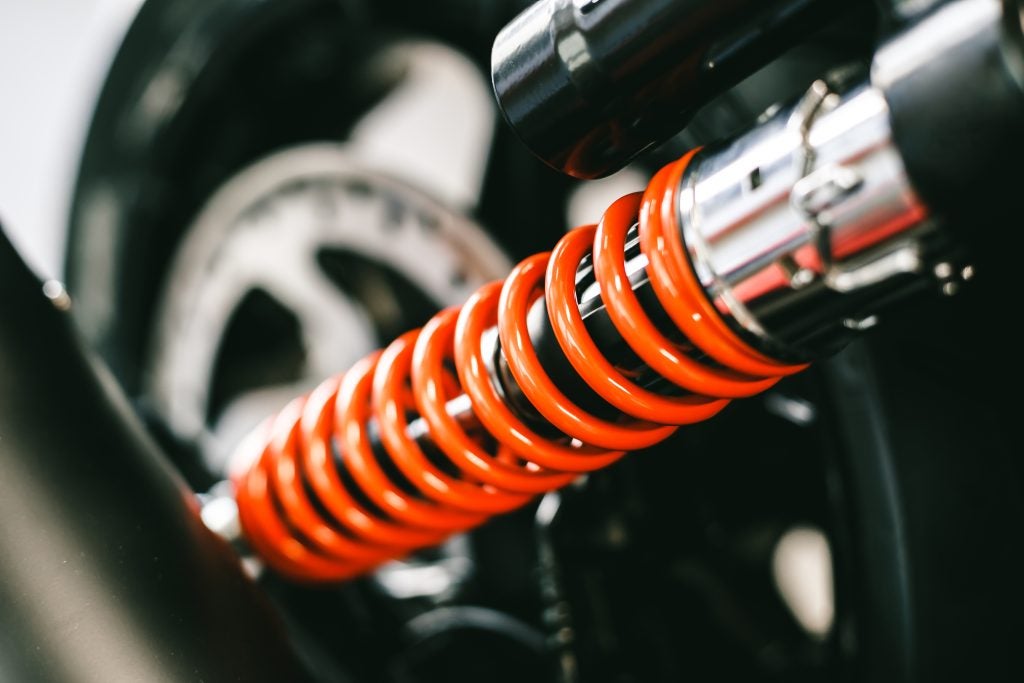
Mechanical detail of a suspension system showing a coiled spring.

Suspension Maintenance in Lexington, SC: What You Need to Know

What does suspension maintenance mean for drivers? There is a certain satisfaction in driving a vehicle that feels planted, composed, and quietly confident over uneven pavement. Much of that assurance comes from a properly maintained suspension system working diligently beneath the bodywork. Springs, dampers, bushings, and linkages operate in harmony to absorb imperfections in the road, maintain steady tire contact, and support predictable handling through corners and braking zones. Typical Suspension Concerns That Develop Over Time Even the most carefully engineered suspension components experience wear. Shock absorbers and struts may lose their ability to control body motion after extended use, leading to a ride that feels unsettled over bumps. Wheel alignment issues can also emerge from potholes or curb impacts, creating uneven tire wear and subtle changes in steering feel. more Other concerns may include fatigued springs that alter ride height or worn control arm bushings that introduce unwanted noise and vibration. Addressing these issues early helps maintain driving precision and prevents additional strain on surrounding components. Recognizing the Subtle Signals of Suspension Wear Vehicles often communicate suspension concerns through small but noticeable changes in behavior. A tendency to drift slightly within a lane, increased body movement after encountering road imperfections, or unfamiliar sounds when traveling over uneven surfaces can all suggest the need for inspection. Drivers may also observe irregular tire wear patterns or a steering response that feels less direct than usual. Identifying these signs promptly allows technicians to diagnose underlying causes before they affect overall driving comfort or confidence. The Practical Benefits of Routine Suspension Maintenance Maintaining suspension health contributes to more than just ride quality. Stable handling characteristics support safer braking performance and more predictable vehicle control in varying road conditions. A well-balanced suspension system also promotes even tire wear, which can extend tire service life and help maintain fuel efficiency. From a financial perspective, routine inspections often reveal minor concerns before they evolve into more complex repairs. This proactive approach supports long-term ownership satisfaction while preserving the composed driving character many drivers value. Experience Smooth Confidence on Lexington Roads Drivers who wish to restore ride comfort and maintain confident handling can schedule suspension maintenance at Jim Hudson Ford in Lexington, SC. A detailed inspection by experienced technicians can help ensure your vehicle remains balanced, stable, and ready for the demands of everyday driving.

A young driver in a 2026 Ford Bronco, equipped Ford MyKey

Ford MyKey: Features, Benefits, and How It Works

What is Ford MyKey? Ford MyKey is an innovative feature designed to promote safe and responsible driving, particularly for younger or less experienced drivers. Introduced by Ford, this technology allows vehicle owners to program specific driver settings into a key fob. Whether you’re looking to encourage safer driving habits or ensure peace of mind as you hand over the keys, Ford MyKey offers a customizable and user-friendly solution. For drivers in Lexington, SC, who share their vehicle with family members or younger drivers, Ford MyKey® provides an extra layer of control. It’s a thoughtful feature that aligns with Ford’s commitment to enhancing safety and convenience across its lineup. Features, Benefits, and Advantages Ford MyKey® comes equipped with a variety of features that make it both practical and advantageous for vehicle owners. more Key Features of Ford MyKey - Speed Limit Settings: One of the standout features of Ford MyKey® is the ability to set a maximum speed limit. This ensures that the vehicle cannot exceed a predetermined speed, promoting safer driving behavior. - Audio Volume Control: MyKey® allows you to limit the maximum audio volume, reducing distractions for the driver. - Seat Belt Reminders: The system can be programmed to mute the audio system until the driver and front passenger fasten their seat belts. - Fuel Alerts: Provides early low-fuel warnings to ensure drivers refuel in time. - Restricted Driving Modes: Advanced settings like limiting access to non-essential features can help keep drivers focused on the road. Benefits of Ford MyKey For parents or guardians, Ford MyKey is an invaluable tool for instilling good driving habits in younger drivers. It provides peace of mind knowing that certain safety precautions are automatically enforced. Fleet managers can also benefit by ensuring employees adhere to company driving policies. Additionally, the feature enhances overall safety by reducing risks associated with speeding or distracted driving. For residents of Lexington, SC, these benefits can play a vital role in ensuring safer commutes through busy city streets or longer highway drives. Advantages of Using Ford MyKey The primary advantage of Ford MyKey is its ease of use. Setting up and customizing driver settings is straightforward, making it accessible even for those who are not tech-savvy. Moreover, it aligns seamlessly with Ford’s suite of advanced safety technologies, such as Ford Co-Pilot360®, to offer a comprehensive driving experience. How MyKey Works Setting up Ford MyKey is simple and can be done in just a few steps. It requires at least one admin key, which is typically the original key fob provided with the vehicle. 1. Access the Setup Menu: Insert the admin key into the ignition and turn the vehicle on. Navigate to the settings menu on your vehicle’s display screen. 2. Select MyKey Options: Once in the settings menu, select the MyKey option to begin programming. 3. Customize Driver Settings: Use the menu to customize restrictions such as speed limits, audio volume, and seat belt reminders. 4. Create the MyKey: Once you’ve configured the settings, designate the key as a MyKey by following the on-screen prompts. After setup, the designated MyKey will enforce all the programmed settings every time it is used, while the admin key remains unrestricted. Ford MyKey’s functionality is especially beneficial for families in Lexington, SC, where varying driving conditions—from urban traffic to rural roads—require adaptable safety measures. Ready to see Ford MyKey in action? Learn more about this feature and explore our inventory of Ford vehicles equipped with MyKey at Jim Hudson Ford. Stop by our dealership in Lexington, SC, and discover how Ford’s innovative technologies can enhance your driving experience.

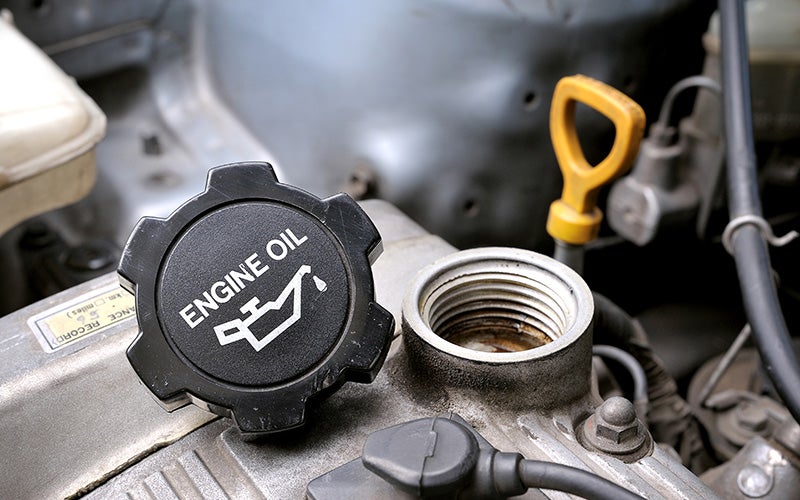
An engine oil cap removed and displayed prior to an oil change

Ford Oil Change: Everything You Need to Know

When it comes to maintaining the performance and longevity of your vehicle, regular appointments for a ford oil change is one of the most important steps you can take. Whether you drive a Ford Mustang, F-150, or Explorer, keeping your engine well-lubricated with clean oil ensures smooth operation and helps prevent costly repairs down the road. In this guide, we’ll walk you through everything you need to know about Ford oil changes, from how often to get one, to the best types of oil for your vehicle, and what to do if your oil light comes on. If you’re a Ford owner in Lexington, SC, this information will help you keep your vehicle running like new for years to come. Why Are Regular Oil Changes Important? Keeping your Ford running at peak performance requires regular maintenance, and oil changes are a crucial part of this routine. A Ford oil change ensures that your engine stays lubricated, reducing friction and preventing wear and tear. Over time, oil can break down and collect debris, which can harm your engine. Regular oil changes not only extend the lifespan of your vehicle but also improve fuel efficiency and performance. more For drivers in Lexington, SC, where commuting and seasonal weather changes can take a toll on vehicles, staying on top of your Ford oil change schedule is particularly important. How Often Should You Get a Ford Oil Change? One of the most common questions drivers ask is, “How often should I get an oil change?” The answer depends on your specific Ford model and driving habits. Generally, Ford recommends changing your oil every 7,500 to 10,000 miles for newer models equipped with synthetic oil. However, older models or those using conventional oil may require an oil change every 3,000 to 5,000 miles. If your oil light is on or your engine seems to be running louder than usual, it’s a clear sign that your Ford needs immediate attention. Ignoring these warnings can lead to costly engine damage down the line. What Types of Oil Are Best for Your Ford? Choosing the right oil for your Ford is just as important as getting regular oil changes. Ford vehicles are designed to perform best with specific types of oil, including synthetic, semi-synthetic, and conventional options. Synthetic oil is highly recommended for most modern Ford models, such as the Mustang, F-150, and Explorer, as it provides superior performance and durability under extreme conditions. For those who push their vehicles harder—whether towing heavy loads with a Ford Super Duty or hitting the trails in a Bronco—synthetic oil’s added protection and longevity are worth the investment. Always consult your owner’s manual or a trusted Ford technician to determine the best oil type for your vehicle. What If Your Oil Light Is On? Seeing the oil light on your dashboard can cause concern, but it’s not always a sign of a major issue. Common reasons for the oil light turning on include low oil levels, dirty oil, or a malfunctioning sensor. Regardless, it’s essential to address the issue promptly to avoid potential engine damage. If you notice the oil light on your Ford vehicle, schedule an inspection right away. For drivers in Lexington, SC, Jim Hudson Ford offers expert diagnostic and maintenance services to ensure your vehicle remains in top condition. Looking for reliable Ford oil change services in Lexington, SC? Visit Jim Hudson Ford for expert care and quality service. Our team is here to help you keep your Ford running smoothly for miles to come. Regular Ford oil changes are a simple yet essential part of maintaining your vehicle’s performance and longevity. By understanding how often to change your oil, selecting the right oil type, and addressing warning signs like the oil light turning on, you can avoid costly repairs and keep your Ford running like new. For drivers in Lexington, SC, trust the experienced technicians at Jim Hudson Ford to handle all your oil change needs. Schedule your appointment today and give your Ford the care it deserves!

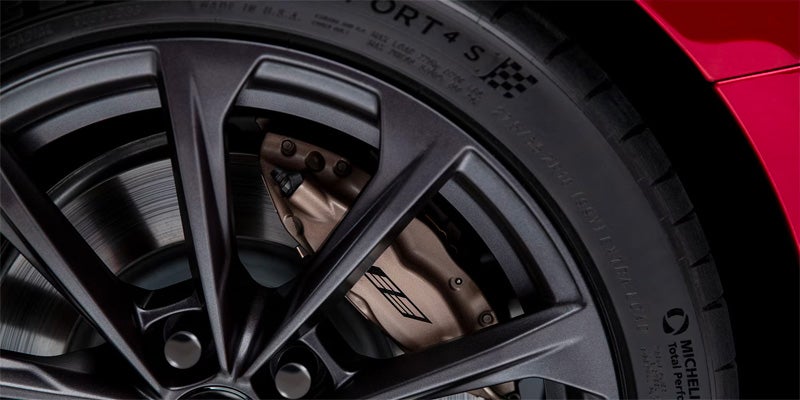
A close up of a vehicle tire displaying the brake pads and rotors

Brake Pads: What They Are and Their Role in Vehicle Operation

If you’ve ever asked, “What are brake pads?” you’re not alone. Brake pads are a vital part of your vehicle’s braking system. Their job is to generate friction against the brake rotors when you press the brake pedal. This friction converts the vehicle’s moving energy into heat, allowing the car to slow down or stop safely. For drivers in Lexington, SC, staying attentive to brake pad condition is essential. Worn padding can lead to increased stopping distances or symptoms like a car squealing when braking, which often signals that brake pads are nearing the end of their service life. Signs That Your Brakes Need Attention Brake pads naturally wear down over time, and certain signs indicate they’re due for replacement. A common early warning is a car squealing when braking. Many pads include a built-in wear indicator, which produces a high-pitched noise when the pad material reaches a low point. more Other warning signs include: A grinding sound, which may indicate the pads are worn down to the backing plate. Reduced braking performance or longer stopping distances. A vibrating brake pedal, which can point to uneven pad wear or rotor irregularities. Any of these symptoms warrant a prompt inspection from a qualified service technician. How Often Should Brake Pads Be Replaced? Brake pad lifespan varies based on driving habits, vehicle type, and operating conditions. Most pads need replacement somewhere between 30,000 and 70,000 miles, but stop-and-go driving common in Lexington can accelerate wear. During routine service visits, a technician can measure pad thickness and advise you on replacement timing. Regular inspections help ensure your braking system remains responsive and reliable. Maintaining Your Brake Pads for Optimal Performance Good driving habits and consistent maintenance can extend the life of your brake pads. Here are a few practical tips: Avoid hard braking unless absolutely necessary. Keep your vehicle’s load within recommended limits to reduce brake strain. Schedule regular brake inspections and maintenance at a trusted service center such as Jim Hudson Ford in Lexington, SC. Staying proactive helps prevent issues like a car squealing when braking and supports the overall safety of your vehicle. Why Proper Brake Pad Care Matters Understanding what brake pads do and staying ahead of their maintenance helps ensure dependable braking performance. For drivers in Lexington, SC, professional service from Jim Hudson Ford provides the expertise needed to keep your braking system in peak condition and maintain confidence on the road.

A Ford mechanic working on a vehicle raised in a lift - 1963 Ford Galaxie: A Classic American Icon

1963 Ford Galaxie: A Classic American Icon

The 1963 Ford Galaxie stands as a true symbol of American automotive history. Known for its stunning design, powerful performance, and remarkable engineering, this car quickly became a favorite among car enthusiasts and collectors. Whether you're a Ford fan, a vintage car collector, or someone interested in classic American vehicles, the 1963 Ford Galaxie is a timeless piece that commands attention. At Jim Hudson Ford in Lexington, SC, we understand the allure of classic cars like the 1963 Ford Galaxie. This iconic model represents an era of innovation and style, and its lasting appeal continues to draw admiration. In this blog, we’ll take a closer look at what makes the 1963 Ford Galaxie a standout vehicle, its key features, and why it remains a sought-after collector’s car today. The 1963 Ford Galaxie: A Look Back at the Design Introduced in 1960, the Ford Galaxie line had already gained a strong reputation for combining performance and style. However, it was the 1963 model year that truly elevated the Galaxie to legendary status. The 1963 Ford Galaxie was a major facelift that introduced several design changes, making it an even more attractive choice for car buyers looking for a mix of muscle and sophistication. more Bold Exterior Styling The 1963 Ford Galaxie featured a sleek and aggressive exterior that was typical of 1960s American cars. One of its standout design features was the long, low profile that gave the car an elegant yet powerful look. The front end was dominated by a wide grille, flanked by large, square headlights that added to the vehicle’s commanding presence. The body design was clean and refined, with a prominent character line running along the side of the car that highlighted its size and strength. The rear featured large, wraparound taillights that were an eye-catching addition to the car’s overall appearance. In addition to the bold design, the 1963 Ford Galaxie was offered in a variety of body styles, including a two-door hardtop, four-door sedan, and convertible, allowing buyers to choose the version that best suited their needs and lifestyle. Interior Features and Comfort The interior of the 1963 Ford Galaxie was just as impressive as its exterior. Designed with comfort and elegance in mind, the cabin featured plush seats upholstered in vinyl or cloth, depending on the trim level. The dashboard boasted a simple, yet stylish layout, with a set of easy-to-read gauges and knobs for various controls. Ford also added extra touches of luxury, such as optional air conditioning, which was a rare feature at the time, making the Galaxie stand out even more. 1963 Ford Galaxie Performance and Engine Options Under the hood, the 1963 Ford Galaxie offered a wide range of engine options, ensuring that there was a model for every type of driver. From the standard six-cylinder engine to the high-performance V8 options, the Galaxie provided powerful and reliable performance that satisfied both everyday driving and muscle car enthusiasts. 1. V8 Engines and Performance One of the standout features of the 1963 Ford Galaxie was its availability with various V8 engines, including the 221 cubic inch (3.6L) V8 and the legendary 352 cubic inch (5.8L) V8. These engines delivered ample horsepower and torque, ensuring that the Galaxie was not just a car with good looks, but one that could deliver impressive performance on the road. For those who craved more power, the top-of-the-line model was equipped with the 390 cubic inch (6.4L) V8 engine, which produced an exhilarating 300 horsepower. This made the Galaxie an ideal choice for drivers who sought muscle car-like performance while maintaining the comfort and luxury of a full-size sedan. 2. Transmission Options To complement its powerful engines, the 1963 Ford Galaxie came with several transmission options, including a 3-speed manual, a 4-speed manual, and the optional Ford-O-Matic automatic transmission. These transmission choices allowed for a customizable driving experience, giving drivers the flexibility to choose between smooth automatic shifting or the more hands-on control of a manual transmission. 3. Performance on the Road The combination of a powerful V8 engine, a sturdy chassis, and responsive suspension made the 1963 Ford Galaxie a joy to drive. Whether cruising down highways or navigating winding roads, the Galaxie delivered a smooth and powerful performance, making it a favorite for long drives, road trips, and even racing events. The car’s suspension was tuned to provide a balanced ride, absorbing bumps and providing solid cornering capabilities for a vehicle of its size. The Legacy of the 1963 Ford Galaxie The 1963 Ford Galaxie is considered one of the greatest full-size sedans to come out of the 1960s. It stood out for its combination of performance, luxury, and design, offering something for a wide range of buyers. Over the years, the Galaxie has become a prized collector’s vehicle, often sought after in well-preserved or restored condition. A Classic Among Collectors Today, the 1963 Ford Galaxie continues to be highly valued in the classic car community. Enthusiasts appreciate its combination of muscle car power and luxury, making it a popular choice for restoration projects. Whether in its stock form or modified for performance, the Galaxie remains a highly sought-after model for car collectors and vintage car lovers alike. Additionally, its status as an American icon only adds to its appeal. The 1963 Galaxie embodies the spirit of 1960s American automotive design and engineering—timeless, bold, and full of character. Restorations and Modifications The Ford Galaxie is one of those classic cars that lends itself well to restoration and modification. Many car owners restore these vehicles to their original glory, while others add their personal touch by upgrading performance components, adding modern tech, or modifying the exterior design. The Galaxie’s strong aftermarket support means that parts and accessories are still available, making it possible to restore or modify the car with ease. Whether you’re looking to preserve its original charm or enhance its performance, there’s a wealth of options to choose from. If you’re in the Lexington, SC area and looking to restore a classic car like the 1963 Ford Galaxie, Jim Hudson Ford is here to help. We specialize in providing a range of services to help you rebuild your dream car. Our knowledgeable team can guide you through the process of restoring, or maintaining a classic vehicle, ensuring that you get the most out of your investment. The 1963 Ford Galaxie is more than just a car—it’s a piece of automotive history. Whether you’re adding it to your collection or simply want to own a timeless classic, this car continues to be a standout choice for enthusiasts.

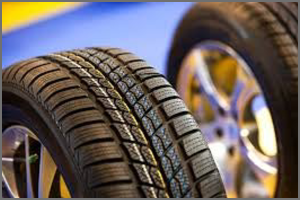
4 Signs Your Ford Needs a Tire Alignment From Your Ford Dealership

A tire alignment, also known as a wheel alignment, is an adjustment of your vehicle's suspension system to get your wheels back in line with your car. This benefits the overall condition of your tires, making your car safer and easier to handle. That's why you should always look out for the signs below so you can head to your Ford dealership as soon as they occur. 1. Your Car Is Driving to One Side When your car is pulling to one side when you're trying to drive straight, you know something is wrong. The reason your car may be driving to one side instead of straight can lie with your wheel alignment. If your wheels are turned to one side when they should be pointing straight, then your car will pull to one side when you're trying to go straight. more 2. Your Steering Wheel Is Crooked If your tires are out of alignment with your vehicle's centerline, then this may make your steering wheel appear off-center. It could be tilted slightly when your car is going in a straight line. When you turn your steering wheel back into a centered position, your car will begin driving to one side instead of straight. 3. Your Tires Are Wearing Down Too Fast Visually inspect your tires every few weeks for signs of damage and wear. Try to inspect your tires on the same schedule all the time; for example, every four weeks. By checking your tires every four weeks, you'll become used to how much your tread typically wears down in that amount of time. That'll make it easier to notice when your tread is wearing down faster, as you'll see that your tread has worn down much more in one four-week period than in the last. 4. Your Tread Is Wearing Down Unevenly When you're inspecting your tires for wear, be sure to note whether your tread seems to be wearing down evenly or not. Uneven tread wear can be a sign of different issues with your vehicle. It may tell you that you need a tire rotation soon or it could mean your tires are out of alignment with your car. Pay us a visit at Jim Hudson Ford in Lexington, SC for a wheel alignment or any other service that you need. Contact 803-359-4114 to get in touch with our service department.

3 Examples of Ford Maintenance Available at Your Ford Dealership

As your trusted Ford dealership, we'd like to give you some examples of the types of Ford maintenance we provide to keep your vehicle in good shape so you can enjoy it for years to come. Air Filter Replacement Your engine requires large quantities of air, which mixes with the fuel in the intake manifold to produce a precise 14:1 air-to-fuel ratio. This mixture is drawn into the cylinders, compressed, and ignited to create combustion. This air must be clean before mixing, so air drawn in through the radiator grille first passes through the engine air filter, which traps dirt, leaves, and other debris before it enters the engine. more In time, the air filter will become clogged with dirt, restricting airflow to the engine. If your engine doesn't receive enough air, the larger amount of fuel turns the engine fuel-rich. A fuel-rich engine uses more fuel, produces black exhaust smoke, and can damage the spark plugs, ignition coils, and other components. We can fix this problem in minutes by replacing the filter, and the air-to-fuel ratio will return to normal. Radiator Flush Coolant traps engine heat and transports it to the radiator, where the hot coolant enters rows of metal tubes. Airflow through the radiator grille blows over the tube, removing the heat, and the coolant circulates through the engine again. Unfortunately, coolant also absorbs dirt, metal fragments, and other debris, depositing it at the bottom of the radiator when it leaves. As time passes, this debris turns sludge-like and can block the radiator, preventing it from removing the heat. Your engine temperature will rise, and the extreme heat can cause major engine damage unless prevented. If your engine temperature rises suddenly, contact us, and we'll investigate. We'll drain the old coolant, then fill the system with new coolant mixed with a conditioner. This mixture will clean the radiator and cooling system. Once the system is clean, we'll fill it with fresh coolant. Wiring Replacement Most of your Ford's systems require electricity, which is generated by the alternator. Wiring travels throughout your vehicle to transfer this power to all the systems. Thick plastic insulation protects the wiring against dirt, moisture, and heat. Despite this protection, the wiring will age, and older wiring can snap. Broken wiring cuts off power to the systems it is connected to until the power is restored. Our technicians will investigate and replace any damaged wiring so the systems will work again. Book your maintenance today by contacting our service department at Jim Hudson Ford in Lexington, SC.

Ask Your Ford Dealer: 7 Signs of a Faulty Ignition Coil

Keeping your Ford's ignition coil in good shape is crucial. It's the part that turns your car's battery power into a spark strong enough to fire up the engine. A faulty ignition coil can mess up your engine's performance big time. Here are some signs to watch out for that might mean it's time to visit your Ford dealer. 1. Engine Misfires If your Ford starts sputtering or hesitates when you hit the gas, it could be a sign of a bad ignition coil. This often feels like the car is jerking and can come with a loss of power. It's one of the most noticeable signs that your ignition coil isn't working right. more 2. Gas Guzzling Noticed you're stopping at the gas station more often? A failing ignition coil could be why. If the coil isn't working properly, your spark plugs might not be igniting the fuel efficiently, which means your engine has to use more fuel to do the same amount of work. 3. Check Engine Light That little check engine light can mean a lot of things, and one of them is a problem with your ignition coil. Cars today have systems that check for all kinds of engine issues, including spark problems. If your car's check engine light pops on, you should have it checked out by a professional to see what the problem is. 4. Trouble Starting the Car If your car's becoming a pain to start, consider the ignition coil as a possible culprit. A worn-out coil might struggle to make enough spark to get your engine going,  especially if it's been a recurring issue. 5. Engine Stalling This is a big one. If your Ford stalls while you're driving or just after starting up, it could be due to a bad ignition coil. This happens because the engine isn't getting enough power to keep running, often due to a weak spark. 6. Odd Noises Hearing strange popping noises? These could be backfires, which happen when unburned fuel ignites in the exhaust system instead of in the engine. It's a common sign of ignition issues, including problems with your ignition coil. 7. Rough Idling Is your car shaking more than usual at a red light? Your ignition coil might not be able to provide the consistent sparks required to keep the engine running with a steady rhythm. Rough idling feels like the engine is sputtering or struggling to run smoothly when you're not moving. ​Whether it's engine misfires, extra trips ​to fill up, or that pesky check engine light, if your car starts acting up, don't wait to get it ​checked out. Call Jim Hudson Ford in Lexington, SC to get your ignition coil checked out today.

9 Signs Your Ford Needs a Brake Repair at Your Ford Dealer

Driving should be enjoyable and stress-free, but neglecting your brakes can take the fun out of driving and put your safety at risk. Your authorized Ford dealer is committed to keeping your brakes in peak condition through quality brake repair. Understanding common red flags is key to determining when it's time to schedule service. Noisy Brakes Among the first indications of wearing parts are noises like grinding, scraping, squealing, or chatter. The certified technicians at your dealer can inspect your brakes to pinpoint the source, whether it's low pads or something more serious developing. more Reduced Pedal Feel New brake pads tend to feel firm when the pedal is pressed. If yours feels soft or "spongy," it could mean air has entered the lines from a leak in need of repair or fluid is low and needs refilling. Pedal Vibrations Over time, degradation causes the brake pedal to pulsate or shudder on application. Your dealer factory-trained mechanics thoroughly evaluate your system for causes like warping rotors or sticking calipers in need of repair. Pulling to One Side Uneven pad wear can result in your Ford veering left or right under braking pressure. This signals the need for pads on one side or attention to a potentially sticking caliper. Uneven braking also decreases control. Decreased Braking Power or Delayed Response Weak or sluggish brakes that no longer deliver strong, confident braking power could point to issues like low fluid levels, worn components, or problems with calipers or other brake system parts. Delayed response is also a red flag. Worn-Down Pads Always check your pads regularly for even wear patterns and thickness. When the wear indicators are visible, it's past time for replacement. Thin or warped rotors also often need to be resurfaced or replaced during brake service. Rusty or Seized Calipers Over time, without lubrication, caliper sliders corrode or freeze, preventing pads from releasing. Rebuilt or replacement calipers fix this using genuine Ford components. Brake Warning Light Your Ford's dashboard includes a red brake warning light. If this illuminates, it could signal a problem that requires diagnosis, such as low fluid level, issues with the brake booster, or problems with ABS or stability control systems. Don't drive until your dealership can check it out. Brake Fluid is Dirty or Low Periodically check your brake fluid level and replace it according to your owner's manual schedule. Dirty or low fluid can indicate leaks or worn seals that require repair. Don't gamble with your safety or risk costly damage by delaying necessary brake service. Visit us today at Jim Hudson Ford in Lexington, SC, for a full brake inspection. We want your driving experience to remain enjoyable for many miles to come.

Signs You Need a New Car Battery From Your Ford Dealer

The battery's most important job is to supply the electricity that starts your engine. Its second task is to maintain the electrical system when the engine is switched off. In time, the battery will wear out or become damaged, and you'll need a replacement. As your Ford dealer, we'd like you to know a few signs that you need to visit us for a new car battery. Loose Connections The battery is connected to the electrical system by two clamps: one attached to the positive terminal and the other to the negative terminal. These clamps are securely connected so electricity can't pass through any gap. As you drive, these cables will move slightly, and these movements can gradually cause one or both clamps to loosen. more A loose clamp prevents the battery from receiving or supplying electricity. If your engine won't start, the problem could be a loose clamp. We'll examine the battery connections and tighten them if they're loose. Bad Smell Sulfur dioxide has an awful smell that's similar to rotten eggs. Under normal circumstances, you'll never smell this stench, as sulfur dioxide shouldn't be present in your engine. This chemical forms in response to a failing battery. A battery uses chemicals, like sulfuric acid, to store electricity as chemical energy and supply it when needed. As time passes, the chemical reactions in the battery cause the sulfuric acid to break down, and it releases h​​​​​​​​​​​​​​​​​​​​​​​​​​​​​​​​​​​​​​​​ydrogen gas when this happens. The hydrogen gas leaves the battery and combines with sulfur molecules already present in the engine. Together, they form sulfur dioxide, and you'll start to smell its characteristic stench. We can fix this problem by replacing the weak battery, and the smell will dissipate. Damaged Alternator Your battery might be fine, but it's not working correctly as it's not being sufficiently recharged. The battery uses a large amount of electricity to power the starter that starts your engine. The electricity used should be replenished by the alternator once the engine is running. The alternator's function is to generate electricity for your car's systems and to keep the battery constantly charged. The alternator will eventually start to weaken, and when this happens, it produces less electricity than it previously did. The reduced electricity supply will affect battery recharging, as the battery will receive less electricity than it uses, and this will cause the battery to also weaken. The check battery light will illuminate as a warning that something is wrong. We'll test your alternator and replace it if it's failing, and we'll also test the battery to ensure it's still healthy. Most battery problems are quick and easy to fix. Contact our service department today at Jim Hudson Ford in Lexington, SC.

5 Signs Your Ford Needs New Tires

Tires are the only point of contact between your vehicle and the road, making their maintenance critical. But how do you know when it's time to get new tires from the Ford dealer? 1. Worn Tire Tread The most straightforward sign that your tires need replacing is worn tread. Tires come with built-in tread wear indicators, or small bars within the grooves. When these bars are flush with the tread level, its time for a fresh set of tires. more You can also use the traditional penny test to check on your tread. Insert a penny into the tread groove with Abraham Lincoln facing down. If you can see all of Lincoln's head, your tread depth is too shallow to be safe, and you need to replace your tires. 2. Regular Loss of Tire Pressure If you're consistently needing to add air to your tires, it could be a sign that they have a slow leak. This might be due to a puncture or other damage to the tire. While some punctures can be patched and repaired, more significant damage often means it's time to get some fresh tires. 3. Sidewall Cracks or Bulges Take the time to really look at the sidewalls of your tires. Do you see any cracks, cuts, or bulges? These can either be signs of external damage or damage to the inside of the tire that you can't see. This type of damage can lead to a blowout or sudden tire failure, so it's important to replace the tire as soon as possible to reduce your risk while driving. 4. Uneven Tread Wear Uneven wear on your tires can indicate a variety of issues, like improper alignment or incorrect tire inflation. If one side of a tire is more worn than the other, or if there are irregular bald spots, it's a sign that your tires need attention. 5. Aging Tires Even if your tires look fine, their age is an important factor in determining if they need replacing. Tires generally need to be replaced every six years, even if they look great and have a lot of tread remaining. As tires age, the rubber deteriorates, which can lead to reduced traction and an increased risk that they will fail unexpectedly. Keep Your Tires Fresh at the Ford Dealer Your Ford's performance and your safety rely heavily on the condition of your tires. If you notice any of these issues, it's best to visit your local dealership for a thorough inspection. We can recommend the best tires for your vehicle, and ensure that your Ford continues to deliver the safe and reliable ride you expect. Regular tire checks are key to maintaining the safety and efficiency of your Ford. Head to Jim Hudson Ford today to let the experts take a look at your tires.

Contact Us

Fill out this form below and we'll contact you shortly
*Required Fields