
Are you in the market for a new truck, but you don't want to pay the price of a new vehicle? Going with a used truck can be a great choice, if you do your homework. Taking time to look at the truck's condition and its vehicle history report can make the difference between getting a great deal and a bad one. We're here to help drivers in Lexington, SC answer the question, what should I look for when buying a used truck? Take a Close Look When buying a used truck, the first thing to evaluate is how the previous owner used it. A truck that spent years hauling heavy loads or towing will show different wear than one used primarily for commuting. Look closely at the bed liner, tailgate, and tow hitch area for signs of heavy use. From there, check the tires for uneven wear, which can point to alignment or suspension issues. Open and close every door and listen for unusual sounds during a test drive. A pre-owned truck should feel solid and responsive, not loose or rattling on the road. How Do I Determine the Best Option for My Needs? Start by thinking about what you need the truck to do. If you are hauling materials or towing trailers regularly, you'll want to pay close attention to payload and tow ratings. If you need the truck primarily for everyday driving, cab size and ride comfort might matter more. Also consider the engine size, drivetrain, and trim level. A well-equipped trim with lower mileage may be a better value than a base model with high mileage, depending on your budget and priorities. What Does a Vehicle History Report Tell Me? A vehicle history report is one of the most useful tools when buying a used truck. It provides a detailed look at the vehicle's past, including ownership history, accident records, service records, and whether the title is clean or has any issues such as salvage or flood damage. Look for reports that include odometer readings over time, since sudden drops can indicate tampering. A pre-owned truck with consistent service records and a clean title is generally a more reliable purchase than one with gaps in its history. What Should I Inspect on the Truck in Person? Even with a solid vehicle history report, a physical inspection is essential. Check the undercarriage for rust, which is especially relevant in regions that use road salt during winter months. Look at the frame for any signs of bending or welding repairs, which could indicate prior collision damage. Under the hood, check fluid levels and their condition. Milky or dark oil can signal engine problems. Look at belts and hoses and check for cracking, as well as any visible leaks around the engine bay or transmission. Should I Have a Mechanic Inspect the Truck Before Buying? Yes - having a trusted mechanic perform a pre-purchase inspection is a smart step. Even if the truck looks great and has a clean history report, a mechanical inspection can uncover issues that are not visible to the untrained eye, such as worn brake components or developing transmission problems. Most sellers will allow a reasonable inspection period. If someone refuses to let a mechanic look at a truck before purchasing, that is a potential red flag. Where Can I Find a Quality Pre-Owned Truck in Lexington, SC? If you're in Lexington, SC, you have a strong local option for pre-owned truck shopping. A reputable dealership like Jim Hudson Ford will offer vehicles that have gone through inspection, provide access to vehicle history reports, and allow you to ask questions before deciding. Buying a used truck is a big investment, and taking the right steps - reviewing history reports, inspecting the vehicle in person, and working with the knowledgeable team at Jim Hudson Ford- can help you feel confident in your choice. Visit Jim Hudson Ford to explore available inventory and get started today. { "@context": "https://schema.org", "@type": "FAQPage", "mainEntity": [ { "@type": "Question", "name": "What should I look for when buying a used truck?", "acceptedAnswer": { "@type": "Answer", "text": "When buying a used truck, inspect the vehicle's condition, review its history report, and consider how the previous owner used it. Check areas such as the truck bed, tailgate, tow hitch, tires, suspension, and overall driving performance to help identify signs of heavy use or potential issues." } }, { "@type": "Question", "name": "How do I determine the best used truck for my needs?", "acceptedAnswer": { "@type": "Answer", "text": "The best used truck depends on how you plan to use it. Consider factors such as towing and hauling needs, payload capacity, cab size, engine options, drivetrain, trim level, mileage, and available features before choosing a vehicle." } }, { "@type": "Question", "name": "What does a vehicle history report tell me when buying a used truck?", "acceptedAnswer": { "@type": "Answer", "text": "A vehicle history report provides information about a used truck's background, including ownership history, reported accidents, service records, title information, and odometer readings. Reviewing this information can help you better understand the truck's condition and history." } }, { "@type": "Question", "name": "What should I inspect on a used truck before buying?", "acceptedAnswer": { "@type": "Answer", "text": "Before buying a used truck, inspect the exterior, interior, undercarriage, frame, engine compartment, fluids, belts, hoses, tires, and suspension components. Look for signs of rust, damage, leaks, unusual wear, or previous repairs." } }, { "@type": "Question", "name": "Should I have a mechanic inspect a used truck before buying?", "acceptedAnswer": { "@type": "Answer", "text": "Yes. A pre-purchase inspection from a trusted mechanic can identify potential mechanical concerns that may not be visible during a standard test drive or visual inspection. This can help you make a more informed purchasing decision." } }, { "@type": "Question", "name": "Why is a vehicle history report important when buying a pre-owned truck?", "acceptedAnswer": { "@type": "Answer", "text": "A vehicle history report helps buyers understand a truck's previous ownership, maintenance, accident history, title status, and mileage records. A detailed report can provide additional insight when comparing different used truck options." } }, { "@type": "Question", "name": "How can I tell if a used truck was heavily used for towing or hauling?", "acceptedAnswer": { "@type": "Answer", "text": "Signs of heavy towing or hauling use may include wear around the truck bed, tailgate, tow hitch area, suspension components, tires, and drivetrain. Reviewing the vehicle history and having the truck inspected can provide additional information." } }, { "@type": "Question", "name": "Is buying a used truck a good alternative to purchasing new?", "acceptedAnswer": { "@type": "Answer", "text": "A used truck can be a good option for drivers who want truck capability while considering different vehicle options. Reviewing the truck's condition, history, features, and maintenance records can help determine if it is the right choice." } }, { "@type": "Question", "name": "Where can I find a quality pre-owned truck?", "acceptedAnswer": { "@type": "Answer", "text": "Quality pre-owned trucks can be found at reputable dealerships that inspect their inventory, provide vehicle history information, and help shoppers compare available options. Working with a knowledgeable dealership team can make the buying process easier." } } ] }
Ford Co-Pilot360®: Features, Benefits & How It Works
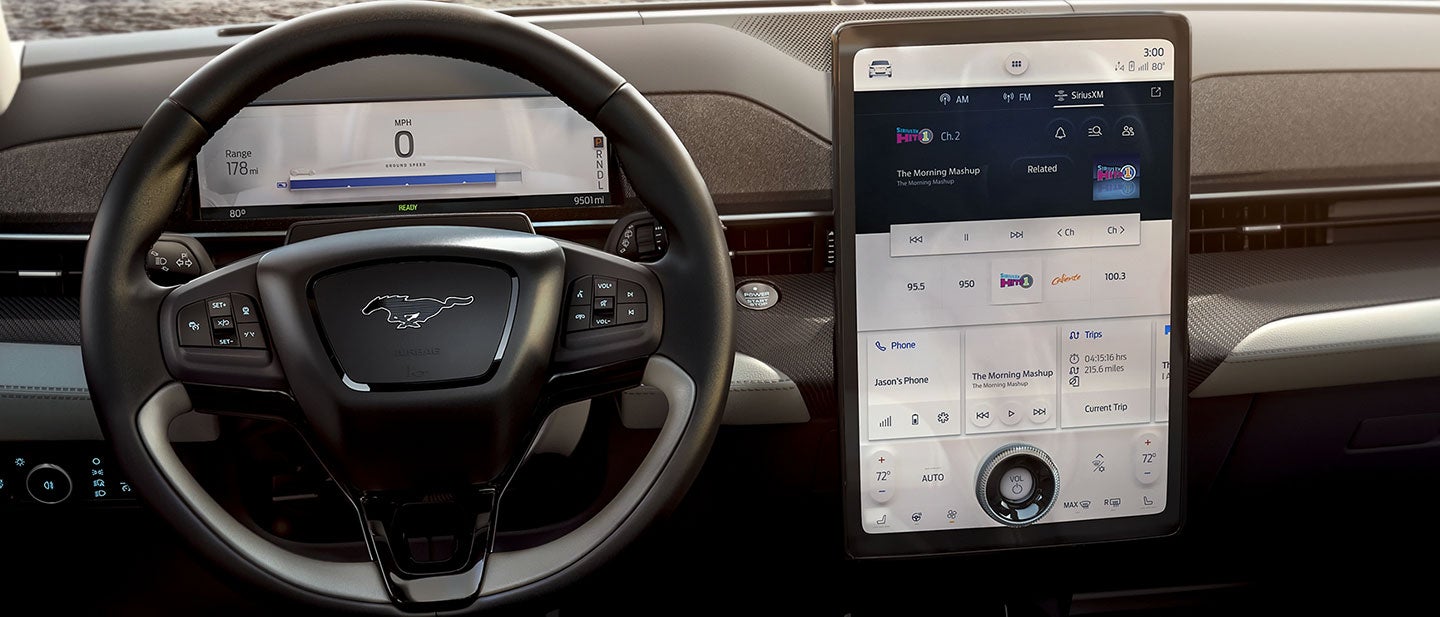
Ford Co-Pilot360®: A Complete Overview of Features, Benefits, and How It All Works Together Ford Co-Pilot360® is one of the most well-rounded driver-assistance technology suites available on today's vehicles. Rather than offering a single standout feature, it brings together a collection of tools designed to help you stay aware, react faster, and feel more confident behind the wheel—without infringing on your driving experience. Whether you're commuting through Lexington, South Carolina, driving the kids to school, heading out on a road trip, or navigating busy highway traffic, these systems give you a layer of protection that lets you breathe easier behind the wheel. This will help you understand what Co-Pilot360® includes, how it works, and how it can enhance your drive. What Is Ford Co-Pilot360®? Ford Co-Pilot360® is a suite of driver-assist technologies built into Ford vehicles as standard across most, with more features available across every model. The goal is straightforward: give drivers more awareness of what's happening around them and provide helpful alerts or corrections when needed. It's not about removing the driver from the equation. It's about making sure you have the information and support to make better decisions on the road. For drivers in Lexington, SC, these features translate to real-world confidence whether you're navigating busy intersections or open highways. Key Features Included in Co-Pilot360® Co-Pilot360® encompasses several individual technologies that each serve a distinct purpose. Pre-Collision Assist with Automatic Emergency Braking is the backbone, detecting vehicles or pedestrians ahead, alerting you, and applying the brakes if a collision appears imminent. Lane-Keeping System monitors lane markings and gently nudges the steering if you begin to drift unintentionally. Blind Spot Information System, commonly known as BLIS®, uses radar sensors to detect vehicles in your blind spots and provides a visual alert in the side mirror. BLIS® with Cross-Traffic Alert takes that a step further by warning you of approaching traffic when backing out of a parking space. Auto High-Beam headlights automatically switch between high and low beams based on oncoming traffic, helping improve nighttime visibility without requiring manual input. These are the crux of the driver-assistance package, but far more is available to give you even more support. How These Features Work Together What makes Ford Co-Pilot360® especially effective is how its individual components complement one another. Instead of isolated features working independently, they form a layered approach to driver awareness. For example, while BLIS® monitors your blind spots while Pre-Collision Assist is scanning the road ahead. Lane-Keeping System is working in the background while you manage other demands of driving. This coordination means you're not relying on one single tool to keep you safe. Each feature fills a gap the others can't cover, creating a more complete picture of your surroundings. The result is a driving experience that feels more supported without feeling intrusive or overly automated. Available Upgrades: BlueCruise ® and Beyond Beyond the standard Co-Pilot360® suite, Ford also offers upgrades for drivers who want even more capability. BlueCruise ® is an available hands-free highway driving feature that works on more than 130,000 miles of pre-qualified highways across the U.S. and Canada. You can relax on long, exhausting drives, while driver-facing cameras ensure your attention remains on the road while hands-free driving is active. BLIS® technology also extends to trailer coverage on select models, which is especially useful for truck and SUV owners who frequently tow. These optional additions build on the core Co-Pilot360® foundation and allow you to customize the level of assistance that fits your lifestyle. Why Co-Pilot360® Matters for Everyday Drivers Driver-assist technology doesn't have to be complicated to be valuable. Ford Co-Pilot360® is designed with everyday drivers in mind—people who want practical tools that work reliably without requiring a technical manual to understand. Features like BLIS® and Automatic Emergency Braking aren't reserved for high-end trims alone, making this suite accessible across a wide range of Ford models and budgets—because your safety is the standard. Explore Ford Co-Pilot360® at Jim Hudson Ford If you're ready to experience Ford Co-Pilot360® firsthand, the team at Jim Hudson Ford serving Lexington, SC is a great place to start. Schedule a test drive to explore current inventory and find a Ford vehicle equipped with the driver-assist features that matter most to you.